
Estheticians, Professional Skincare, Salon Biz
Authentic Spa Upsells Without Pressure

Feb
Repeat customers generate 80% of salon and spa revenue even though they represent less than half of the client mix. This single statistic tells us a lot about what matters in the spa business. Retention, loyalty and trusted relationships drive growth more than a constant churn of new faces. Spa Inc’s recent article on the Skin Inc website, titled “The Art of the Upsell: How Spa Pros Can Boost Sales Without Being Pushy,” argues that upselling is a form of service rather than a push for sales. We agree with the premise that thoughtful upgrades can elevate experiences, but we also see room for a broader discussion. Our perspective at Aesthetics Unique expands beyond individual transactions to encompass the holistic relationship between practitioner and guest. We believe authentic upselling thrives at the intersection of trust, personalization and modern technology. Instead of focusing solely on the moment of sale, we consider the entire lifecycle of a guest’s experience and how each touchpoint can build mutual respect and satisfaction.
In the original piece, readers are reminded that clients seek guidance and appreciate expert recommendations. That guidance begins well before a service starts. It involves listening carefully, asking meaningful questions, and understanding each person’s needs. We applaud the suggestion to differentiate between upselling and overselling by offering small upgrades such as aromatherapy neck wraps or hot stone foot massages. Yet our practice goes further. We start by recognising that every guest brings a unique history of treatments, products and personal preferences. Upselling cannot be effectively executed without this context. When an esthetician knows a guest’s favourite scents, skin sensitivities or lifestyle, the opportunity to recommend a truly beneficial add‑on becomes clear. We consider this depth of knowledge an investment that pays dividends long after the first visit. The more we learn about our guests, the more we can tailor experiences that they will remember and look forward to repeating.
Skin Inc encourages spa professionals to seed suggestions early during the session, rather than waiting until the end to mention products or rebooking. We appreciate this strategy because it shifts the tone from last‑minute sales to organic conversation. In our practice, however, we integrate this process even earlier – starting with digital interactions before the guest arrives. Our booking system invites visitors to complete a brief intake form that asks about their priorities, concerns and goals. This information helps our team plan enhancements that align with the guest’s desires. During the service, we reference the guest’s responses and confirm what they hope to achieve, reinforcing that we understand them on a personal level. By the time we suggest a product or service, it naturally fits within the narrative we’ve co‑created with the guest. When recommendations are presented in this way, they feel like an extension of the consultation rather than a surprise proposition at check‑out.
Why Authenticity Matters in Spa Sales
Authenticity is the foundation of any successful spa relationship. When guests sense genuine care, they relax, open up and trust the professional in front of them. The Skin Inc article points out that clients want guidance but dislike feeling sold to. This insight is crucial. Yet authenticity requires more than avoiding pushy language. It demands a culture where practitioners view each recommendation as an opportunity to improve someone’s well‑being, not just the bottom line. At Aesthetics Unique, we train our team to focus on results rather than revenue. We ask ourselves whether an upgrade will truly enhance the guest’s experience or help them achieve a goal. If the answer is yes, then we present the option with enthusiasm and confidence. If not, we refrain. This disciplined approach builds long‑term credibility and invites guests to return because they know they will only receive genuine advice.
Authenticity also means respecting budgets and boundaries. Some guests may decline an add‑on due to financial considerations, time constraints or personal preferences. In those moments, we accept their decision gracefully and continue delivering outstanding care. The absence of pressure itself becomes a selling point: guests see that they are valued beyond their spending power. Over time, we find that many guests who initially declined an upgrade often choose to try it later because they feel comfortable with us. The trust built through patience and respect turns into incremental revenue without forcing anyone’s hand. It is a gentle, sustainable way to grow.
Moreover, authenticity extends to the products and services we recommend. Our company carries its own line of skincare, but we do not push it indiscriminately. When it makes sense, we might suggest our vitamin C serum because it complements the treatment or addresses a specific concern. We describe the benefits clearly and honestly. Yet we never disparage a guest’s existing routine or pressure them to abandon what they love. Instead, we offer guidance on how to integrate our products or services into their lives if they choose. This respectful approach honors both the guest’s autonomy and our commitment to quality.
Beyond the Upsell: Building Lasting Relationships
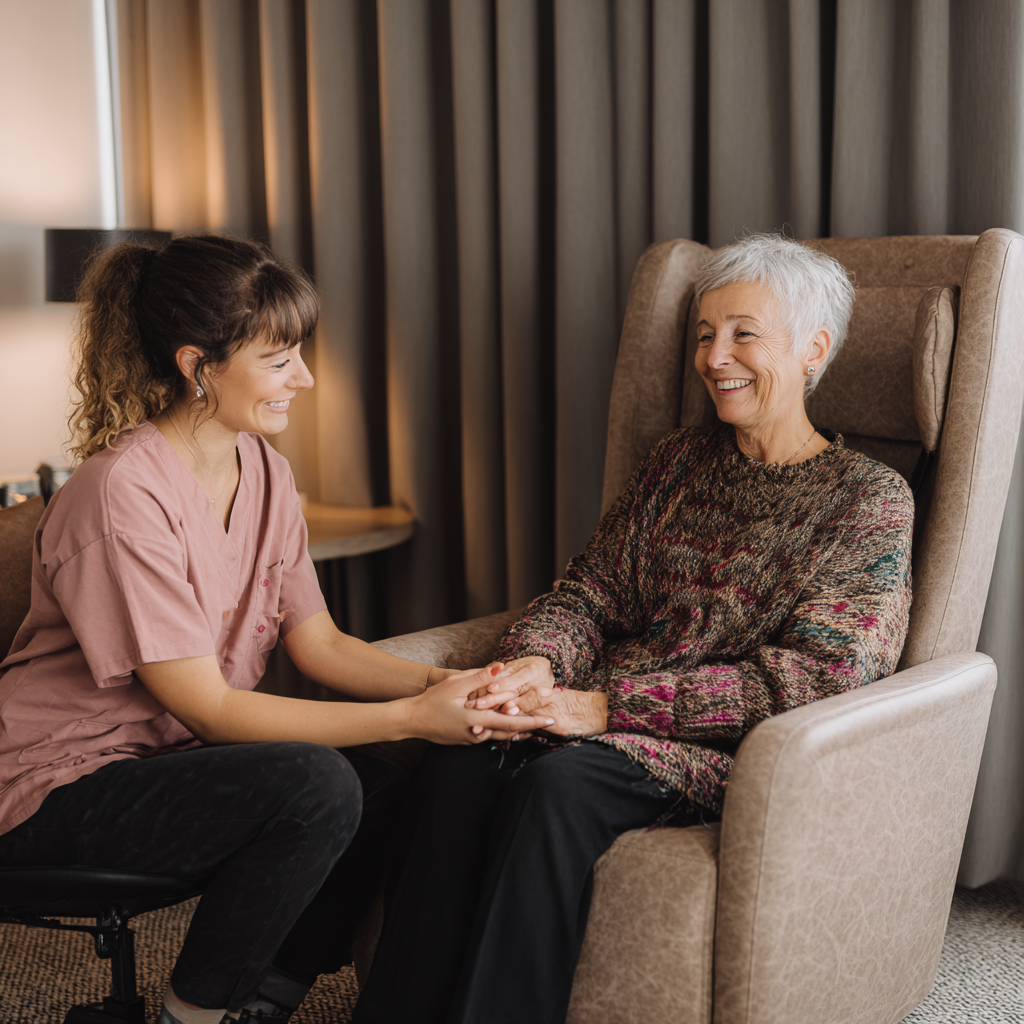
The discussion around upselling often focuses on the moment of transaction. In our view, the more critical aspect is the relationship that extends across multiple visits. The Skin Inc article touches on rebooking as an overlooked upsell, and this is where we see the greatest opportunity for growth. Encouraging guests to schedule their next appointment allows us to map out a plan for their skin or wellness journey. It transforms a single service into an ongoing partnership. During these conversations, we avoid making guests feel obligated; instead, we highlight the benefits of consistency and how it contributes to lasting results. When guests understand that regular treatments help them maintain their glow or relieve chronic tension, they are more inclined to commit to a schedule.
Membership and loyalty programs amplify this effect. Our membership plans are designed to reward guests for staying committed. Members receive priority booking, special pricing on add‑ons, and occasional gifts. These perks aren’t meant to entice one‑time splurges but to encourage a sustained routine. The statistic that repeat customers generate the bulk of revenue underlines why loyalty initiatives are strategic investments. They acknowledge the value of long‑term relationships and provide tangible benefits that encourage guests to return. When a guest feels they are part of an exclusive club, they become more engaged with the spa and more receptive to personalized suggestions.
We also cultivate lasting relationships through continuous education. After a treatment, we send personalized messages with aftercare tips or links to resources that match the guest’s interests. These communications are not disguised sales pitches. Instead, they reinforce our commitment to supporting their wellness journey. When appropriate, we might mention a seasonal service that aligns with their needs, but we always frame it as an invitation rather than an expectation. Over time, this consistent outreach keeps us top of mind and underscores that we care beyond the moment of purchase.
Technology as a Catalyst
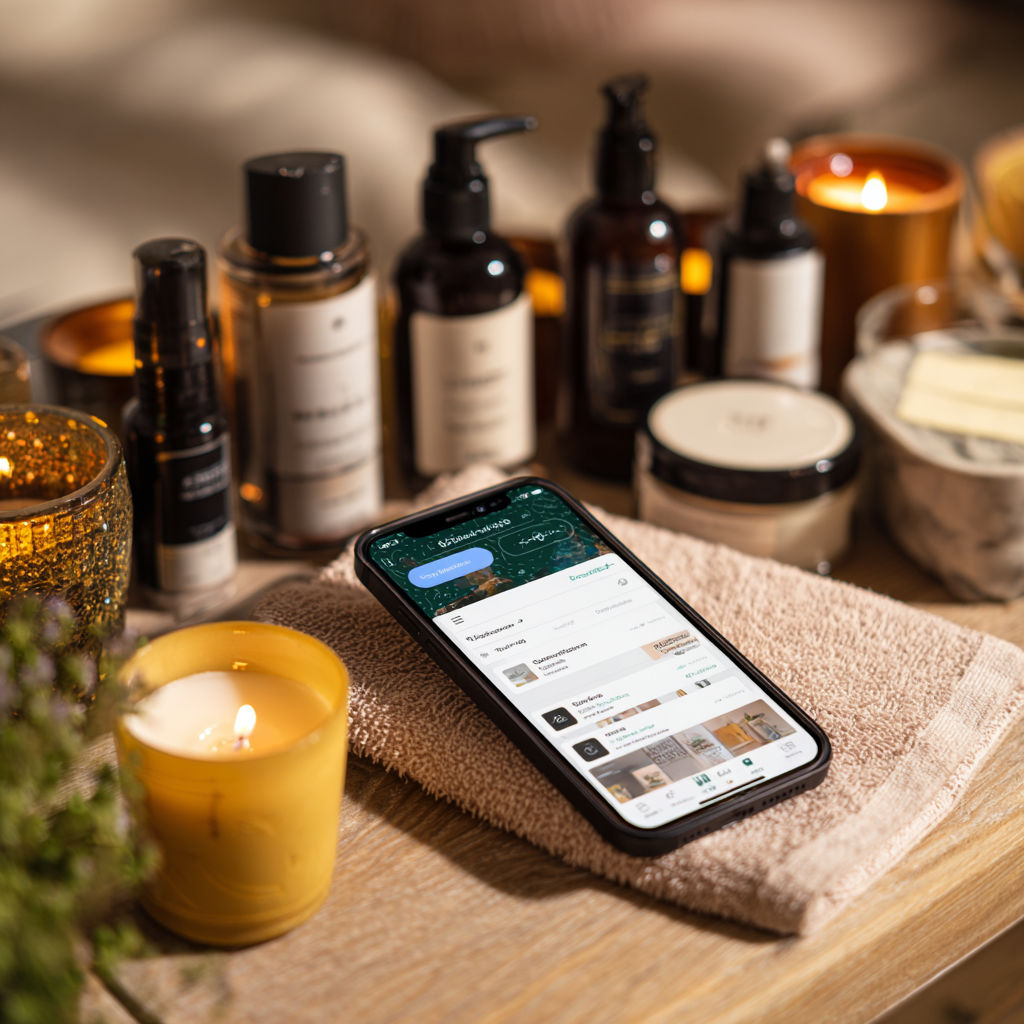
Digital tools have reshaped guest expectations. The professional beauty article on retention notes that nearly 97% of aesthetic clinic clients and 80% of salon and spa guests prefer mobile appointment booking. This preference illustrates how technology has become integral to convenience and satisfaction. By offering a seamless online booking system, we remove friction from the start. Guests can choose services, select practitioners, and add enhancements with a few taps. This autonomy empowers them and sets the stage for an enjoyable experience even before they walk through our doors.
Our digital platform also captures valuable data that informs personalized upsells. When a guest books a hydrating facial and notes that their skin feels dull, we might suggest an upgrade with an enzyme peel. The system flags such opportunities, but the final recommendation comes from a human conversation—honouring the balance between automation and personal touch. Once the appointment ends, technology continues to play a role. Automated reminders encourage guests to rebook at appropriate intervals and deliver educational content tailored to their concerns. These messages often include insights into new services, but they always prioritize usefulness.
Another digital strategy involves gift cards. The same industry report highlighted a surge in gift card sales and noted that nearly a quarter of gift cards are redeemed by first‑time customers. We see gift cards as both a revenue stream and a marketing tool. When someone receives a gift card, they are invited into our community with a positive impression. By ensuring the redemption experience is memorable, we improve the chances that these first‑time guests become repeat patrons. During their visit, our team uses the opportunity to learn about their needs and introduce the benefits of our membership programms. This gentle onboarding fosters loyalty from the outset.
Ethical Considerations and Client Trust
The heart of responsible upselling lies in ethics. The line between upselling and over‑selling can blur when practitioners prioritize revenue over results. Skin Inc urges professionals to use soulful language and avoid phrases that feel demanding or prescriptive. We agree, but we believe ethics encompass more than word choice. They involve intent, transparency and respect. Our team approaches each recommendation with the question: does this serve the guest’s best interest? If there is any doubt, we do not proceed. We disclose costs up front and ensure guests understand what the upgrade entails. This transparency prevents misunderstandings and fosters confidence in our guidance.
Ethics also demand that we recognize when an upgrade is unnecessary or when a more affordable option could suffice. For example, if a guest already has an effective hydrating mask at home, we might suggest they bring it to their next appointment and focus on a different enhancement. This openness may seem counterintuitive to revenue growth, but it reinforces trust. Guests appreciate honesty and are more likely to listen to future recommendations. Over time, the cumulative effect of ethical behaviour far outweighs the gains from any single upsell.
Training is essential to embed ethics in daily practice. We invest in ongoing education that covers product knowledge, communication skills and cultural competence. Role‑playing scenarios help our practitioners navigate difficult conversations or objections gracefully. We also create safe spaces for our team to discuss challenges and share experiences. When a culture of accountability and support exists, ethics become a lived practice rather than an abstract principle. This dedication to integrity attracts guests who value authenticity and are willing to invest in their well‑being with us.
Personalization and Loyalty
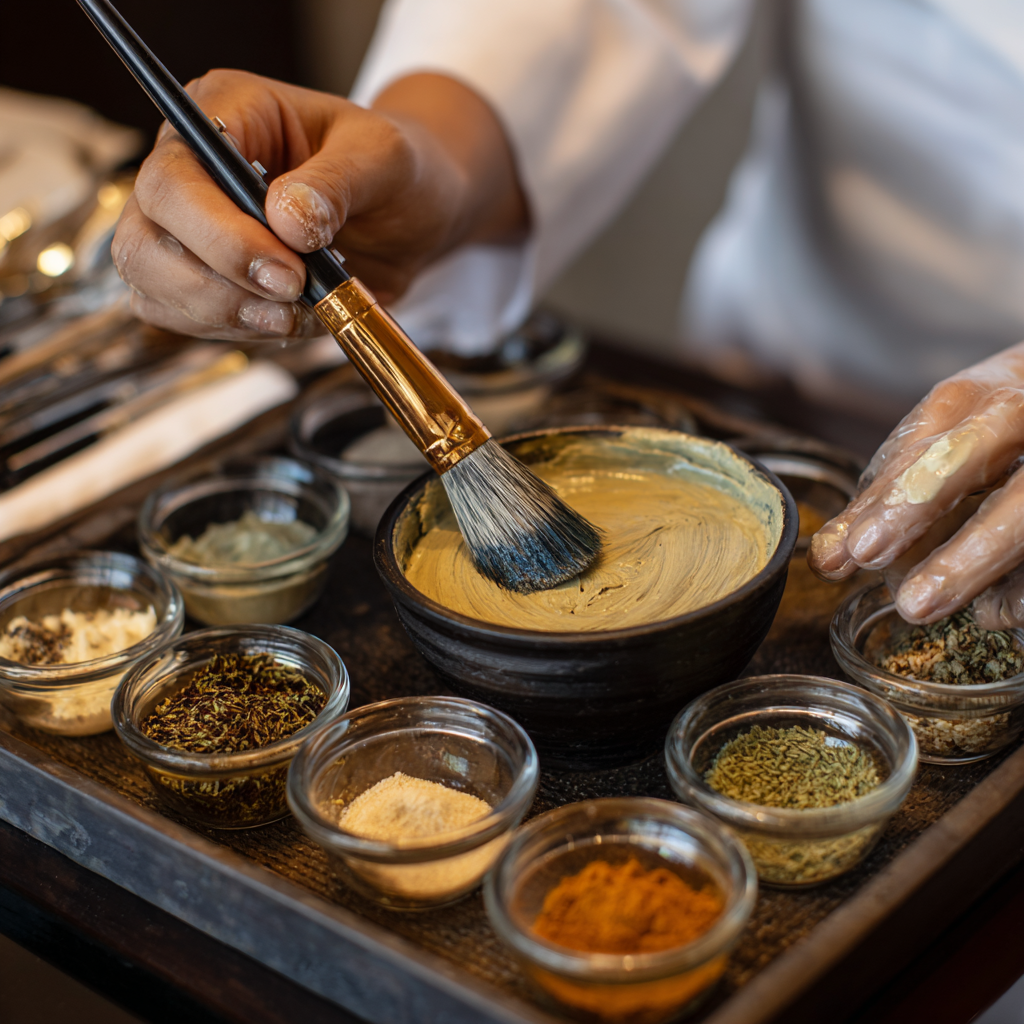
Personalization is the key to loyalty. Generic recommendations rarely resonate, especially in an era where guests can research products and services on their own. By listening, gathering data and observing results, we tailor each suggestion. The Skin Inc article offers examples of how to make upsell suggestions visual and tangible, such as letting clients feel the smoothness of a scrub during a treatment. We build on this concept by capturing feedback after each service and noting what delighted the guest most. If someone loved the warm stones during a pedicure, we mark it in their profile and surprise them with the same sensation on their next visit. Small gestures like this show that we remember and care, strengthening emotional bonds.
Our communications reflect this personalized approach. When reaching out between visits, we avoid generic newsletters. Instead, we curate content based on each guest’s interests. For someone curious about anti‑ageing, we might share information about new techniques or ingredients. For another focused on relaxation, we could suggest a meditation playlist. Occasionally, we spotlight a new product or service, but it is always contextualized to the guest’s journey. By aligning information with individual desires, we show that we value them beyond the transaction.
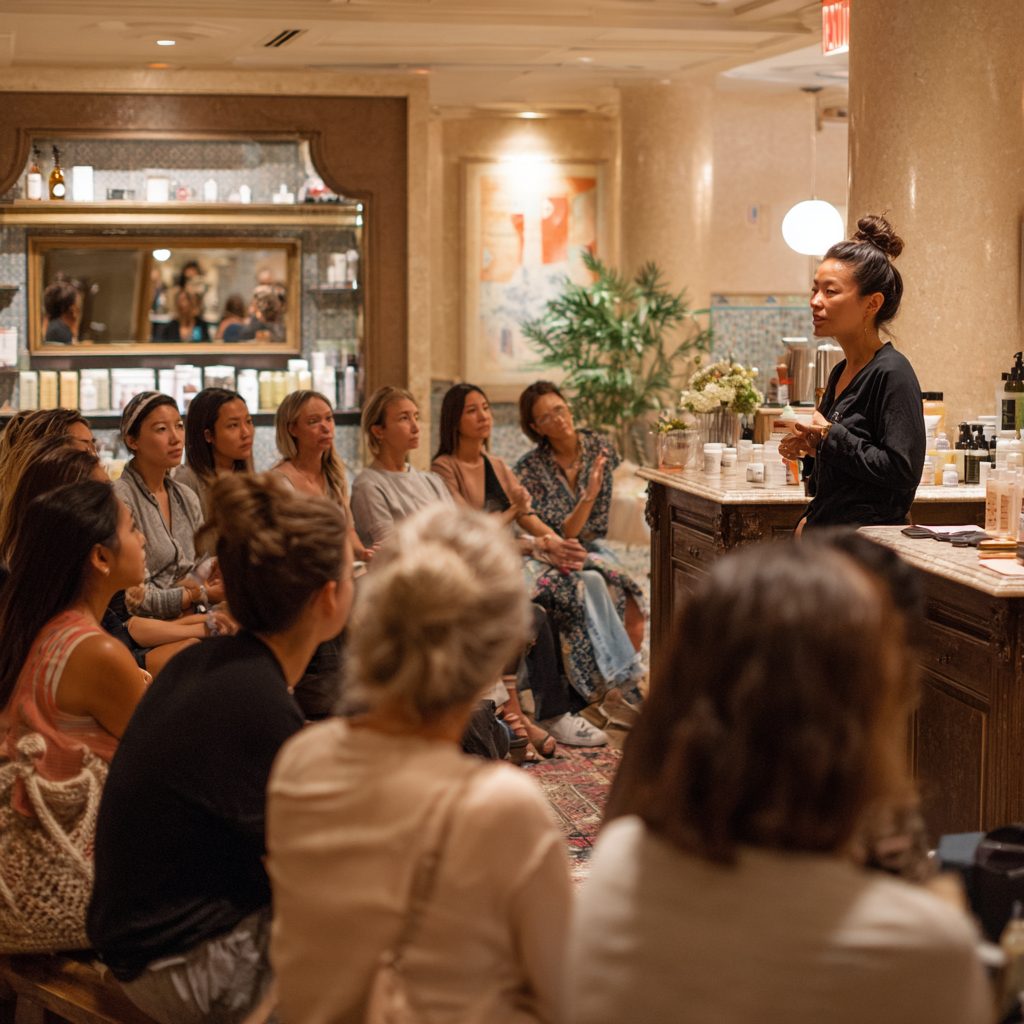
Community engagement further deepens loyalty. We host small events such as skin care workshops or wellness seminars. These gatherings provide education, foster social connections and create opportunities for guests to interact with our team outside of treatment rooms. During these events, we might showcase our latest products or discuss upcoming seasonal services, but the emphasis remains on knowledge and camaraderie. Guests appreciate learning in a relaxed setting and often bring friends, expanding our reach through word of mouth. This organic growth, anchored in community, yields long‑term benefits that far exceed the impact of a single upsell.
A Thought on Aesthetics Unique’s Approach
At Aesthetics Unique, our philosophy melds the ideas presented in the Skin Inc article with our own experiences and values. We admire the recommendation to make each upsell feel like a gift. In our practice, we sometimes surprise guests with a complimentary sample or mini treatment to demonstrate the benefits of an add‑on. For instance, we might offer a brief hand massage using our lemongrass lotion at the start of a manicure. The guest feels immediate relaxation and often requests the full treatment next time. This technique respects the guest’s autonomy while allowing them to experience the difference firsthand.
Our approach also emphasizes long‑term planning over one‑time purchases. We avoid framing upgrades as limited opportunities or urgent must‑haves. Instead, we discuss how certain treatments or products can fit into a comprehensive routine that addresses the guest’s goals. If a guest expresses interest in brightening their complexion, we might suggest a series of targeted peels spaced over several visits. We explain the rationale behind the timing and outline expected outcomes, letting the guest decide whether to commit. This collaborative planning builds deeper buy‑in and encourages consistent attendance.
Of course, we understand the need for revenue growth. Our business thrives when guests find value in our offerings. Yet we reject the notion that growth must come at the cost of pressure. By focusing on relationships, authenticity and thoughtful innovation, we create an environment where guests willingly spend because they trust us. They know that any upgrade we suggest is grounded in their well‑being. This alignment of interests is the foundation of sustainable success and is far more satisfying than chasing short‑term gains.
Challenges and Opportunities
The beauty and wellness industry faces its share of challenges. The same report that highlights the dominance of repeat customers also notes declines in new guest visits and increases in cancellations and no‑shows. These trends underscore the importance of nurturing existing relationships and creating compelling reasons for guests to return. One strategy involves addressing scheduling barriers. We offer flexible appointment hours and easy rescheduling to accommodate busy lives. Automated waitlists help fill gaps when cancellations occur, ensuring that the business remains productive while giving spontaneous guests a chance to book. These operational improvements reduce wasted time and support revenue stability.
Another challenge is information overload. Guests are bombarded with marketing messages from countless brands promising quick fixes and miracle products. Differentiating ourselves in this landscape demands sincerity and expertise. We counter marketing fatigue by providing substance. When introducing a new facial or body treatment, we explain the science in plain language and invite guests to experience it for themselves. We sometimes partner with local wellness experts for talks or demonstrations, adding credibility and diverse perspectives. These collaborations enrich our community and position us as a trusted source rather than a mere vendor.
Opportunities abound when we embrace adaptability. We remain aware of emerging technologies and techniques while staying grounded in our values. Virtual consultations, for example, allow us to connect with guests who may not be able to visit in person. During these sessions, we offer skin analysis, product recommendations and lifestyle tips. Although the interaction is online, the principles of authenticity and ethics remain the same. We listen, tailor suggestions and avoid pressure. Such services expand our reach and introduce new revenue streams without compromising the quality of care.
Bringing It All Together
Spa upselling, when practiced authentically, is not about squeezing more dollars out of each visit. It is about elevating the guest experience, building loyalty and creating a sustainable business. Skin Inc’s article offers valuable insights on the technique of upselling, from small add‑ons to seeding suggestions early and using soulful language. Our perspective builds on these ideas and broadens the lens to encompass the entire relationship. We emphasize the power of trust, personalized recommendations, digital convenience and ethical integrity. We encourage membership programs, community engagement and long‑term planning. We also acknowledge the industry’s challenges and seek creative solutions that align with our core values. By approaching upsells as invitations rather than transactions, we honor our guests and ensure that their interests come first. This approach not only drives revenue but also fosters a thriving community of loyal clients who know they are seen, heard and genuinely cared for.
References
- Professional Beauty Group, “Repeat clients generate 80% of beauty salon revenue,” March 31, 05
- Professional Beauty Group, “Technology continues to shape the industry,” March 31, 05
- Tazeem Jamal, “The Art of the Upsell: How Spa Pros Can Boost Sales Without Feeling Pushy,” Skin Inc., February 0, 06
Related Posts