

Estheticians, Professional Skincare, Skincare
DIY vs. Professional Skincare What’s Best for Your Skin
Jan
Skincare has never felt more personal. A quick scroll online shows kitchen-counter face masks, TikTok chemists mixing acids, and side-by-side before-and-after photos from professional treatments. The promise sounds simple. Save money. Stay natural. Take control. At the same time, clinics and spas keep booking solid calendars, and professional skincare shelves keep expanding. If DIY skincare worked as well as many claims, professional treatments would be fading fast. They are not. The real question is not which option wins, but how each one actually affects skin over time.
Skin responds to biology, chemistry, and consistency. It does not care where a product comes from, only how it interacts with barrier function, inflammation, hydration, and repair. DIY and professional skincare take very different routes to influence those systems. One offers freedom and experimentation. The other offers precision and guardrails. Knowing which approach suits your skin depends on goals, tolerance, and how much margin for error you can accept.
Why DIY skincare gained momentum
DIY skincare did not rise by accident. It grew out of distrust in long ingredient lists, fear of preservatives, and a desire for control. Mixing oils, clays, honey, and acids at home feels transparent. You see every component. You skip packaging, marketing, and markups. For many people, that feels empowering.
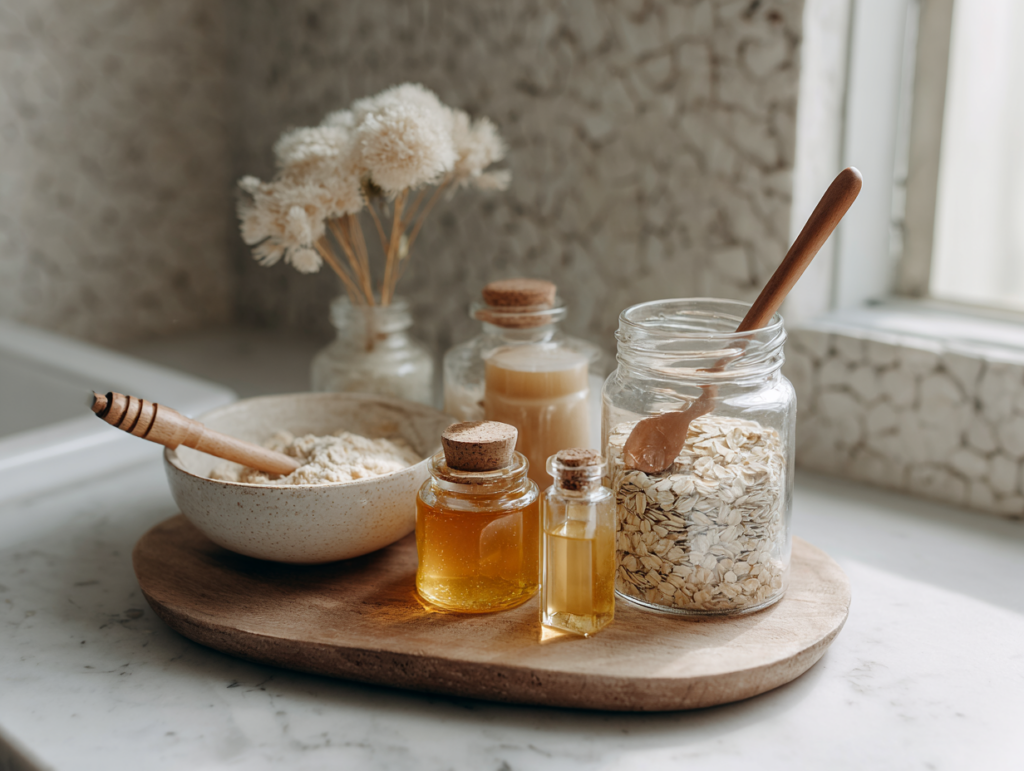
There is also a strong sensory appeal. Fresh ingredients smell vivid. Texture feels real. The ritual feels slow and intentional. That emotional benefit matters, and for some skin types, gentle DIY practices can feel soothing. Simple masks using oatmeal, yogurt, or honey can calm short-term dryness. Oil cleansing with single oils can help remove makeup without surfactants. These approaches rely on low-risk ingredients with long histories of topical use.
DIY skincare also thrives on accessibility. Anyone can try it. No appointment needed. No professional gatekeeper. When skin feels irritated or dull, the instinct to fix it immediately can push people toward whatever sits in the kitchen.
Where DIY skincare starts to break down
The challenge with DIY skincare shows up at the molecular level. Skin barrier function depends on balance. pH matters. Concentration matters. Stability matters. Most home recipes ignore those variables.
Take exfoliation as an example. Lemon juice, apple cider vinegar, and baking soda all circulate as popular DIY fixes. Lemon juice and vinegar push pH low enough to disrupt barrier enzymes. Baking soda pushes pH far too high. Both can weaken the acid mantle, increase water loss, and trigger inflammation. The damage may not show immediately. Over weeks or months, sensitivity builds.
Preservation also becomes an issue fast. Water-based DIY products grow microbes within days. Refrigeration slows growth but does not stop it. Mold and bacteria irritate skin long before they look or smell obvious. Professional formulations use preservation systems tested for stability and safety across time and temperature. That testing rarely happens at home.
Another hidden risk involves essential oils. They feel natural, but many rank among the most common irritants in skincare. Concentration errors are easy. Photosensitivity reactions happen often. Sensitization can develop slowly and persist for years. Once sensitized, skin may react to even tiny amounts.
DIY skincare also lacks consistency. Each batch changes. Ingredient quality shifts. Measurement stays imprecise. Skin responds poorly to constant variation. Barrier repair relies on repetition and predictability.
What professional skincare does differently
Professional skincare does not rely on mystery. It relies on control. Formulas use defined concentrations, known delivery systems, and tested pH ranges. Each variable aims to protect the barrier while targeting a specific function such as exfoliation, hydration, pigment balance, or collagen signaling.
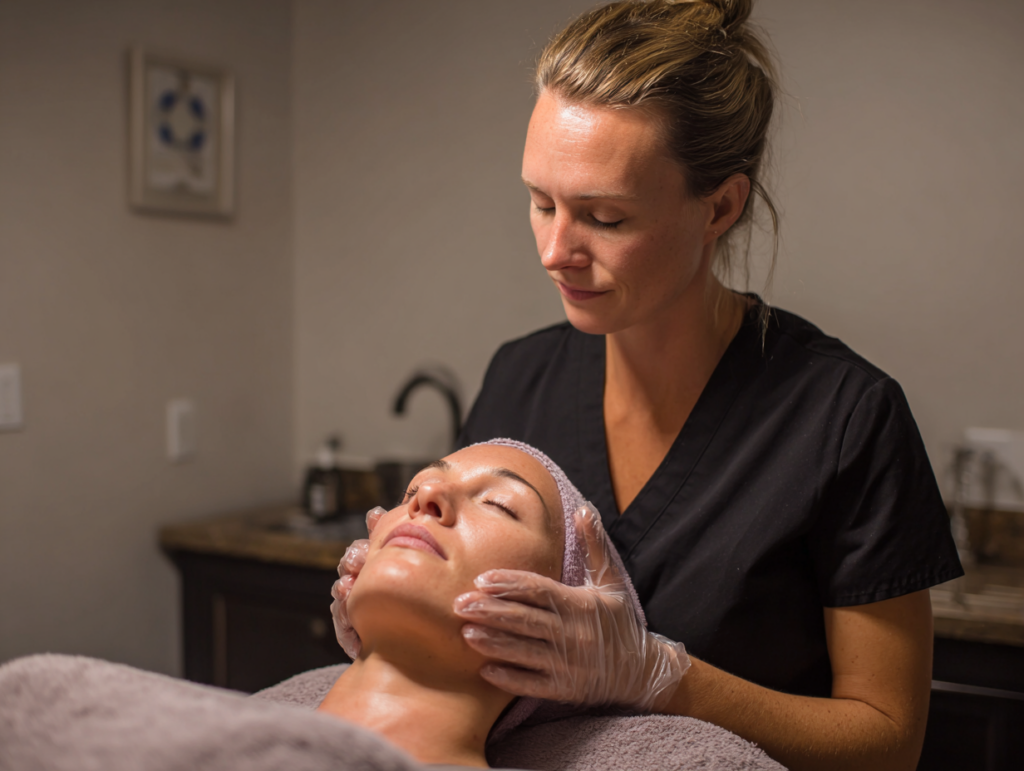
Professional treatments extend that control further. Estheticians assess skin condition, not just skin type. They adjust pressure, timing, layering, and frequency. A professional peel, for example, works because acid strength, buffering, and exposure time stay precise. Skin receives a stimulus strong enough to trigger renewal without tipping into injury.
Professional skincare also accounts for recovery. Barrier support ingredients like humectants, emollients, and soothing agents appear alongside actives. DIY routines often stack aggressive steps without recovery support. Skin tolerates stress poorly without repair.
Another advantage involves ingredient synergy. Formulators design products so ingredients support each other. Chelators stabilize actives. Humectants reduce irritation. Emulsifiers affect penetration. These relationships do not exist in isolated DIY ingredients.
The safety net matters. If skin reacts during a professional treatment, the provider adjusts immediately. At home, damage often continues unnoticed until irritation becomes chronic.
Understanding skin goals versus skin reality
Most skincare goals fall into predictable categories. Hydration. Texture. Tone. Firmness. Breakouts. Each responds differently to DIY or professional care.
Hydration often responds well to simple routines. Gentle cleansing. Humectants. Occlusives. DIY methods can help here if they stay conservative. Oils can reduce water loss. Honey can attract moisture. Problems arise when occlusion replaces hydration or when oils trap dehydration underneath.
Texture improvement requires controlled exfoliation. This is where DIY approaches struggle most. Inconsistent particle size in scrubs causes micro-injury. Acid strength varies wildly. Professional exfoliation controls depth and distribution. That control protects long-term skin resilience.
Tone issues such as discoloration depend on regulating melanocyte signaling. Random ingredient mixing rarely affects those pathways reliably. Professional products combine actives at studied percentages, often layered over weeks to avoid rebound pigmentation.
Firmness and aging concerns depend on long-term cellular signaling. No kitchen ingredient triggers collagen production in meaningful ways through topical use. Professional formulations use peptides, retinoids, and antioxidants with documented mechanisms.
Acne sits in the middle. Gentle DIY routines can calm inflamed skin if they avoid occlusion and irritation. Aggressive DIY treatments often worsen acne by disrupting barrier lipids and increasing inflammation. Professional care balances exfoliation, oil regulation, and calming steps together.
Cost myths around DIY skincare
DIY skincare carries a reputation for saving money. In practice, costs creep quickly. Buying individual oils, clays, extracts, containers, and essential oils adds up. Wasted batches add more. Treating irritation adds even more.
Professional skincare looks expensive upfront. Over time, consistency reduces trial-and-error spending. Fewer reactions mean fewer resets. Skin improves steadily rather than swinging between extremes.
The most expensive skincare mistake often involves barrier damage. Repair takes months. During that time, almost every product stings or fails. Avoiding that cycle saves money and patience.
When DIY skincare makes sense
DIY skincare works best as a supplement, not a foundation. Simple practices that support comfort and hydration can fit safely into many routines. Occasional oatmeal masks. Plain honey cleansing. Oil massage followed by proper cleansing. These stay within low-risk boundaries.
DIY also suits people who enjoy ritual more than results. If the act of mixing and applying relaxes you, stress reduction alone can benefit skin indirectly. Cortisol affects inflammation and healing. Calm matters. The key lies in restraint. No acids. No essential oil cocktails. No water-based storage. No daily exfoliation. Once DIY tries to replace professional formulation, risk climbs fast.
When professional skincare becomes essential
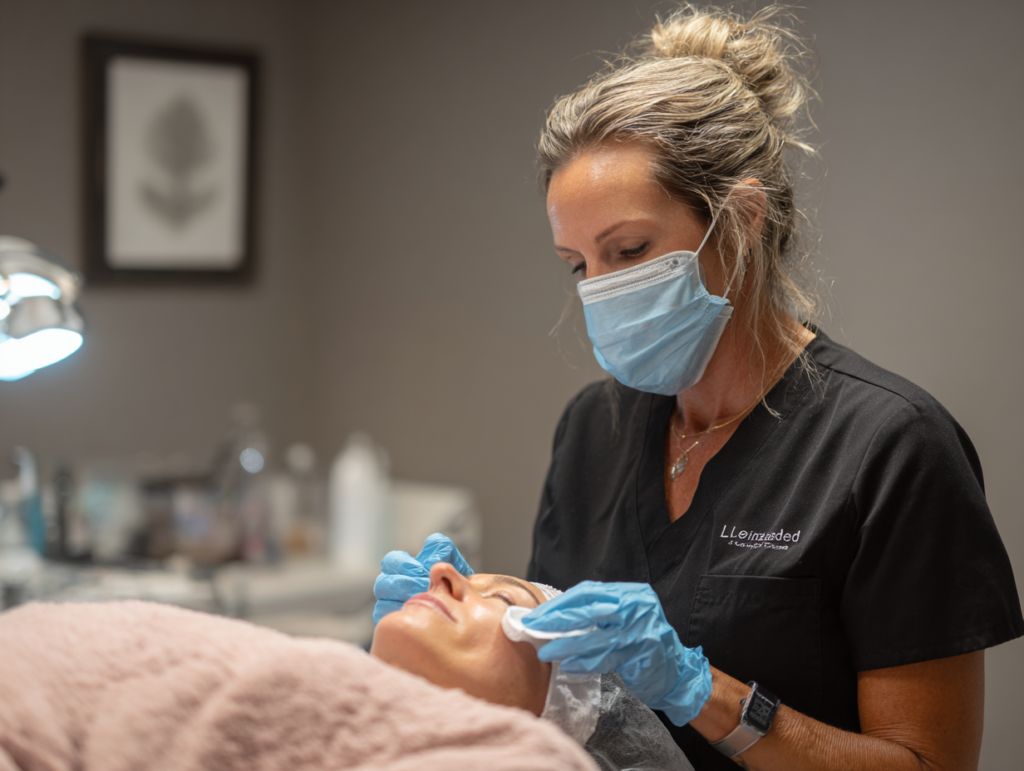
Certain skin conditions demand structure. Chronic sensitivity. Rosacea-prone skin. Persistent acne. Hyperpigmentation. Aging skin with thinning barrier function. In these cases, experimentation usually backfires.
Professional skincare shines when goals involve change rather than maintenance. Improving texture. Refining tone. Supporting firmness. These require predictable inputs over time. Professional guidance also shortens the learning curve. Many people damage skin simply because they apply too much, too often, or in the wrong order. Education prevents years of trial and error.
The hybrid approach most skin thrives on
The healthiest routines often blend both worlds. Professional products form the backbone. DIY elements add comfort and ritual. That balance respects skin biology while honoring personal preference.
A professional cleanser, treatment serum, and moisturizer create consistency. A simple DIY mask once a week adds enjoyment without disruption. This approach avoids extremes. Skin stays predictable. Improvements compound. Consistency beats intensity every time. Skin prefers small signals repeated often. Professional skincare delivers that reliably. DIY adds texture to the experience, not risk to the outcome.
FAQs to help with real decisions
Many people ask whether natural automatically means safer. Skin reacts to chemistry, not labels. Poison ivy grows naturally. Stability and concentration define safety, not origin. Another common question involves trust. Some fear professional products hide harmful ingredients. Transparency matters. Reputable brands disclose INCI lists and follow cosmetic safety standards. Testing replaces guesswork.
People also wonder if skin becomes dependent on professional products. Skin does not become lazy. It responds to support. Remove hydration and protection and function declines. Restore them, and resilience returns. Others ask whether professional care locks them into expensive routines forever. Good routines simplify over time. As skin stabilizes, fewer products often deliver better results.
Making the Choice That Fits Your Skin
DIY skincare and professional skincare both have value. Neither deserves blind loyalty. The difference comes down to philosophy and desired results, both short term and long term. DIY offers control and ritual. Professional care offers precision and protection. The best decision aligns with how your skin behaves, not how trends feel. Choose the approach that supports your skin’s health today while preserving its resilience for years ahead.
Related Posts