
Cosmetology, Estheticians, Professional Skincare
The Pros and Cons of Chemical Peels Is It Right for You

Dec
More than 3.3 million skin resurfacing treatments took place in the U.S. in 2022, and that category includes chemical peels alongside dermabrasion, laser resurfacing, and microdermabrasion. When you hear numbers like that, you can see why peels keep showing up in treatment plans. You also can see why people feel uneasy. I see both reactions in the treatment room all the time, curiosity mixed with a little fear, and you deserve a straight answer. A chemical peel can give you smoother texture, clearer pores, and a brighter tone, but it can also irritate your barrier, flare pigmentation, and waste your money if you pick the wrong depth or timing. You do not need hype; you need a decision you can live with.
You also need a simple truth upfront. A peel works best when you treat it like a controlled wound and a controlled recovery, not like a facial add-on. If you want a peel because you feel stuck, you have company. When your routine feels solid, but your skin still looks dull, congested, or uneven, peeling often gives you the reset you crave. When your skin already feels reactive, tight, or inflamed, peeling often pushes you in the wrong direction. You can still get results, but you need the right peel, the right provider, and the right aftercare.
What a chemical peel does under the surface
Your skin sheds cells every day, and it relies on enzymes and natural acids to keep that shedding balanced. When shedding slows or turns uneven, dead cells cling to the surface, pores trap debris, and light stops reflecting cleanly. A chemical peel speeds up exfoliation by loosening the bonds between surface cells, so your skin releases what it should have released on its own. You end up with a fresher surface and, with the right series, a more even rhythm of renewal. You also change how well your skincare penetrates and how evenly makeup sits, which explains why clients often notice texture changes first.
Depth shapes everything you experience. Superficial peels act mainly at the epidermis, and they often use alpha hydroxy acids like glycolic acid or lactic acid, or beta hydroxy acids like salicylic acid. Medium-depth peels reach further, trigger more visible peeling, and require stricter downtime and sun discipline. Deep peels reach much deeper layers and belong in medical hands, not in routine spa settings. Your results do not depend on bravado; they depend on matching depth to your skin’s current condition and your tolerance for recovery.
Control matters more than the acid name. Concentration, pH, application time, layering, skin prep, and neutralization rules shape your outcome. A “gentle” acid can sting like fire on a compromised barrier, and a stronger peel can feel easy on a well-prepped, resilient barrier. If you chase strength, you chase risk. If you chase control, you earn consistency.
Why you might want a peel in the first place
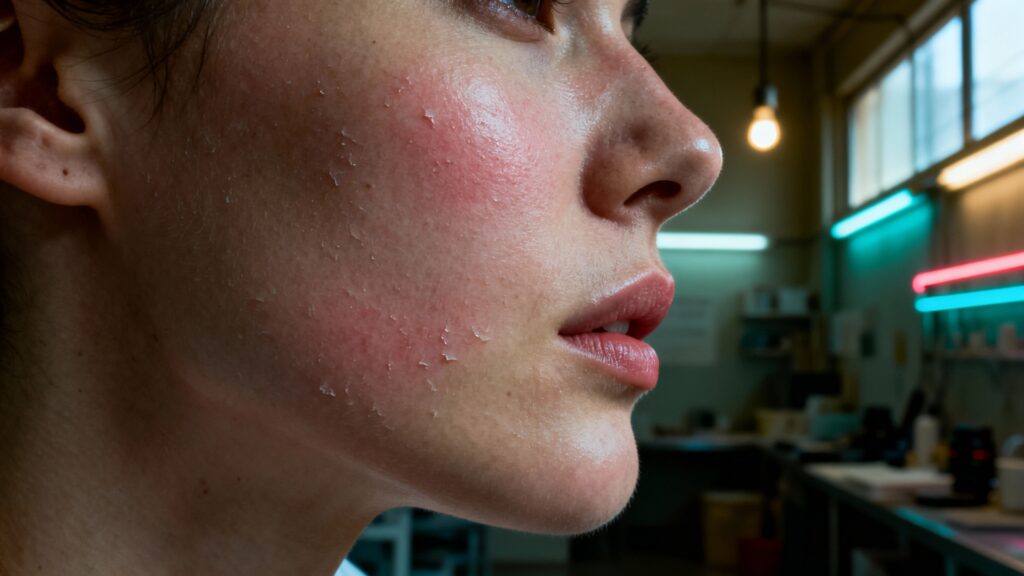
You usually seek a peel for one of three reasons: texture, breakouts, or discoloration. Texture includes roughness, enlarged-looking pores, and the stubborn dullness that sits on top of otherwise healthy skin. Breakouts include clogged pores, blackheads, and the cycle of congestion that never fully clears even when you cleanse well. Discoloration includes sunspots, post-breakout marks, and uneven tone that makes skin look older than it feels. A well-planned peel series can improve all three, but you need to set your expectations in weeks and months, not days.
You can also use peels to support other treatments. When you pair a peel with a barrier-friendly routine, you often see better response to brightening ingredients, hydrating serums, and antioxidant creams. In practice, I often start with gentle, consistent exfoliation before I add more complex steps, because your skin responds best when the surface stops resisting. Even a mild glycolic cleanser can help you build tolerance in a controlled way when you use it correctly. Aesthetics Unique describes its Glycolic Acid Facial Cleanser as a 3% glycolic cleanser designed to cleanse and provide mild exfoliation, which fits the kind of gradual conditioning many clients tolerate well.
Peels also give you a measurable treatment cadence. You can track how quickly you calm redness, how evenly you shed, and how long your glow lasts. You can adjust the plan as your skin changes, because skin changes through seasons, stress, travel, and hormones. This flexibility is a benefit you do not get from random at-home experiments. You still need discipline, but you also get a path you can follow.
The upsides you can realistically expect
You often notice smoother skin first. Your fingertips catch less roughness, your foundation sits flatter, and your skin reflects light more evenly. This happens because peels remove that compacted surface layer that scatters light and exaggerates lines. You also often see pores look cleaner and smaller, even though peels do not shrink pores. They clear the debris and dead cells that stretch the pore opening, so your pore looks more refined.
If you deal with acne or congestion, the right peel can reduce the buildup inside the pore. Salicylic acid peels in particular move through oil more easily than water-based acids, so they target the environment where many breakouts start. That does not replace a full acne plan, but it can reduce the feeling that your pores stay “stuck.” When you combine a peel series with gentle cleansing and non-irritating hydration, you often reduce the cycle of over-drying and rebound oil. You also improve how well spot treatments work, because they reach skin more evenly after you clear surface blockage.
If discoloration bothers you, peels can help you fade it, but you need a slow approach. Pigment responds best to consistency and low inflammation. A peel encourages older pigmented cells to shed, but it also triggers inflammation if you push too hard, and inflammation fuels pigment. Your best outcome comes from spacing treatments, supporting the barrier, and treating sun exposure like a real threat. The American Academy of Dermatology stresses daily sunscreen after a peel once healing finishes, because new skin stays fragile and sun reactive during recovery.

The downsides you need to respect
A peel creates controlled injury, and injury carries risk. You can expect short-term redness and tightness, but you should not accept prolonged burning, swelling, or scabbing from a superficial peel. When you overdo exfoliation, you thin out the protective lipid layer on the surface, and your skin loses water faster. This leads to dryness that feels deeper than dry skin, more like irritation and rawness. It also makes products sting that never used to sting, which creates a spiral of trial-and-error spending.
Pigmentation risk deserves a serious pause, especially if you tan easily or you have a history of dark marks after irritation. Post-inflammatory hyperpigmentation follows inflammation, and aggressive peels create inflammation by design. You can still do peels safely with deeper skin tones, but you need a conservative plan, strict sun habits, and a provider who treats pigment risk as the central concern, not an afterthought. You also need to accept that “no visible peel” often equals “smart peel” for pigment-prone skin. You do not win points for shedding sheets of skin.
You also face risk from timing and product stacking. If you use retinoids, strong acids, scrubs, or aggressive devices at home, a peel can push you into barrier injury fast. Many clients think they should “prep” by exfoliating harder, and that idea wrecks skin. Preparation means calming inflammation and building tolerance, not sanding the surface. When you treat a peel like a challenge, your skin treats it like an attack.
Professional peel vs at-home peel and where danger shows up
You can buy peel products online, and you can find extreme strength products sold with casual instructions. This is where you need to slow down. In July 2024, the FDA warned consumers not to purchase or use certain chemical peel skin products without appropriate professional supervision because serious skin injuries have occurred. This warning does not mean every at-home peel harms people. It means the market contains products that do not belong in untrained hands, and the risk rises when you treat acids like simple skincare.
Professional peels give you three protections: assessment, control, and rescue. A trained provider looks at your barrier, your pigmentation risk, your medical history, and your goal, then chooses depth and timing. They control contact time, layering, and neutralization. If your skin starts to frost, swell, or react unexpectedly, they stop and manage it. At home, you do not get those safeguards, so the same mistake becomes more costly. This is one reason I often steer clients toward gentle professional peels rather than “strong” home peels, even when they want to save money.
At-home exfoliation still has a place, but it belongs in a slow plan. A mild glycolic cleanser or toner can support glow and texture when you use it correctly and you respect recovery days. Aesthetics Unique positions its Glycolic Acid Toner as a non-stinging toner with 4.2% glycolic acid used after cleansing to prepare skin for other products, and instructions emphasize patting rather than rubbing, which matters when you want low irritation. The goal stays steady conditioning, not big “peel day” drama. When you want dramatic change, choose supervised care.
How you decide if a peel fits your skin and your life
Start with the barrier, not the problem. If your skin feels tight after cleansing, stings with bland moisturizers, flakes in patches, or flushes easily, you need barrier repair before peeling. You can still improve tone and texture, but you will do it faster by calming the surface first. A peel on an inflamed barrier gives you more inflammation, not better skin. You also need to think about your schedule, because even a mild peel can leave you red for a day or two, and medium-depth peels can leave you peeling for a week.
Next, match your goal to peel depth. If you want a brighter look and smoother texture, a superficial peel series often delivers what you want with minimal downtime. If you want to address deeper discoloration or more stubborn texture, you might need more depth, but depth increases risk and aftercare demands. You also need to accept the trade: faster change usually demands more recovery and tighter sun control. If your job keeps you outdoors, if you travel frequently, or if you struggle to reapply sunscreen, your safest plan leans conservative.
You also need to factor in medication and skin history. If you have a history of cold sores, peels around the mouth can trigger outbreaks, and a provider often plans antiviral prevention. If you have used isotretinoin, you need to disclose it and follow clinical guidance. A systematic review in JAMA Dermatology found insufficient evidence to support delaying superficial chemical peels for patients taking or recently completing isotretinoin, while it still discouraged certain aggressive procedures like mechanical dermabrasion and fully ablative lasers. That does not mean you ignore caution. It means you have a nuanced conversation with a qualified provider who can weigh your risk factors.
What a good consultation looks like from an esthetician’s chair
You should leave a consultation with a plan, not a pitch. Your provider should ask about your routine, your exfoliation habits, your sun exposure, your past reactions, and your goals with a timeline. They should explain what you will feel during the peel, what you will look like afterward, and what “normal” healing looks like for your peel type. The American Academy of Dermatology lays out expected healing windows, including redness and scaling for several days after certain peels, and it emphasizes applying lotion or cream until skin heals and then using sunscreen daily. You should hear the same practical clarity in the treatment room.
You also should hear a clear aftercare protocol in plain language. You should know what to cleanse with, what to moisturize with, when to restart your actives, and how to protect your skin from sun and heat. You should also know what counts as a red flag, including blistering, severe swelling, pus, spreading warmth, or pain that worsens rather than calms. If your provider speaks in vague reassurance, you do not have enough information to consent. A peel becomes safer when you know what you are signing up for.
Finally, you should hear a staged approach, especially if you chase pigment correction or acne control. A conservative first peel serves as a diagnostic test. It shows how your skin reacts, how fast you calm down, and how strictly you follow aftercare. Once you prove those basics, your provider can adjust depth or layering. This approach saves you from the common mistake of starting too strong and spending months repairing damage.
How you prepare and what you do after the peel
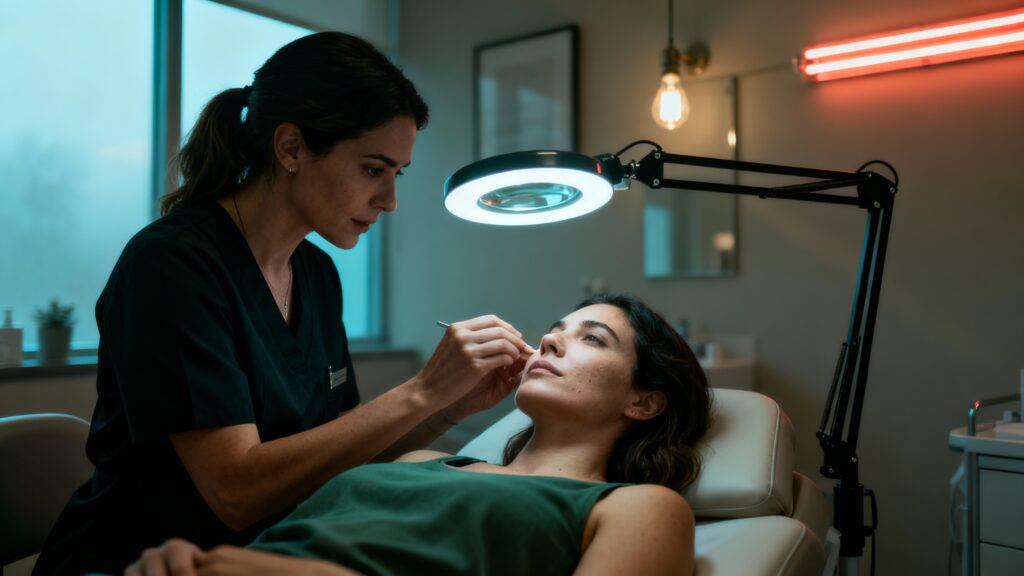
Preparation means you reduce irritation and simplify. You stop aggressive scrubs and strong at-home acids, you focus on gentle cleansing, and you build hydration. You also commit to sun protection before the peel, because sun exposure before treatment primes your skin for uneven pigment afterward. This is not cosmetic fussiness, it is biology. UV exposure increases inflammation signals, and those signals do not disappear because you booked an appointment.
Aftercare demands restraint. Your skin needs gentle cleansing, bland hydration, and daily sun protection, and it needs you to stop picking, rubbing, and “helping” the peel along. If you peel early by picking, you can create raw patches and trigger pigment. If you over-cleanse to remove flaking, you strip the barrier and prolong redness. The FDA guidance on alpha hydroxy acids highlights increased sun sensitivity during use and for about a week after stopping, and it recommends sunscreen, protective clothing, and limiting sun exposure during that period. That guidance aligns with what you see clinically after peels, where new skin reacts fast to UV.
This is also where your product choices matter. You want fewer ingredients, less fragrance, and less sting. When you add actives too early, you turn normal healing into irritation. When you wait until skin feels calm, smooth, and stable, you restart actives with far less drama. The best peel results often come from boring aftercare, which feels disappointing until you see how quickly your skin settles.
Frequently asked questions
Will you always peel visibly after a chemical peel?
You will not always see sheets of peeling skin, and you should not treat visible peeling as the goal. Many superficial peels create a smooth, bright shift with minimal flaking, especially when your provider chooses low irritation protocols. Some people shed in fine, powdery flakes around the mouth and nose, and others see almost nothing but still feel smoother. Your skin can renew without dramatic shedding, and those subtle changes often protect pigment-prone skin. When you judge results, look at texture, clarity, and tone over the next two to three weeks, not at how much skin fell off.
Does a chemical peel hurt?
You should expect tingling, warmth, and sometimes a sharp sting during application, and the sensation should stay controlled and time limited. A trained provider watches your skin closely and adjusts contact time or neutralization if your skin escalates. Afterward, you can feel tight and warm, similar to a sunburn sensation, and that feeling should calm with proper hydration and gentle care. Pain that increases over time signals trouble, not progress, and you should contact your provider if that happens. A peel should feel like a controlled treatment, not like an endurance test.
How often should you get chemical peels?
A common spacing for superficial peels sits around four to six weeks, because your skin needs time to complete a full renewal cycle and rebuild barrier lipids. Your provider adjusts timing based on your peel depth, your sensitivity, and your goals. If you peel too often, you can drift into chronic irritation even if each peel feels “mild” on day one. If you space too far apart, you lose momentum and you often end up chasing strength instead of consistency. Your skin responds best to a steady rhythm that respects recovery.
Are chemical peels right for you if you have melasma or dark spots?
You can use peels as part of a pigment plan, but you need discipline and you need a conservative provider. Melasma responds poorly to heat, UV, and inflammation, and aggressive peels create inflammation. You often do better with gentle peels, strict sunscreen habits, and a plan that includes brightening ingredients and barrier support between treatments. You also need to accept that pigment improvement happens gradually, and flares can happen if you ignore sun. The safest pigment plans focus on reducing triggers and building resilience, then adding careful exfoliation.
Should you do a chemical peel at home?
You can use mild exfoliation at home, but you should think carefully before you use strong peel solutions without supervision. The FDA has warned about certain chemical peel products sold for consumer use without professional oversight due to reports of serious injuries. If you want the benefits of resurfacing at home, choose lower-strength exfoliants, patch test, and avoid stacking them with other irritants. If you want a deeper peel, choose a qualified professional who can assess your skin, control exposure, and guide recovery. You can save money with at-home care, but you pay a higher price when you guess wrong.
If you want, I can tailor this into a “peel decision” section written for your exact audience, including how you should frame peel depth and downtime in a consultation, and how you should position aftercare products without sounding salesy.
Related Posts