

Skincare
How to Shift Your Skincare Routine From Spring Into Summer Without Losing Your Glow

Apr
There is a moment every spring when you realize your skin has changed overnight. The tight, dry patches from winter start to ease. Your complexion looks a little more alive. But then, almost before you have had a chance to enjoy it, the heat of summer rolls in and everything shifts again. Oil production spikes, sunscreen becomes non-negotiable, and that carefully built winter routine suddenly feels like too much. Navigating these back-to-back seasonal transitions is one of the most overlooked aspects of consistent skin health and getting it right can mean the difference between glowing, balanced skin and a summer full of breakouts, dehydration, and irritation.
Research published in the Journal of Investigative Dermatology found that sebum production increases significantly in warmer months, with some studies showing oil output rising by as much as 60 percent during summer compared to winter. That single fact tells you everything about why the same moisturizer that saved your face in January might be working against you by July. Your skin is not a static organ. It responds actively to humidity, temperature, UV intensity, and environmental changes, which means your routine should, too.
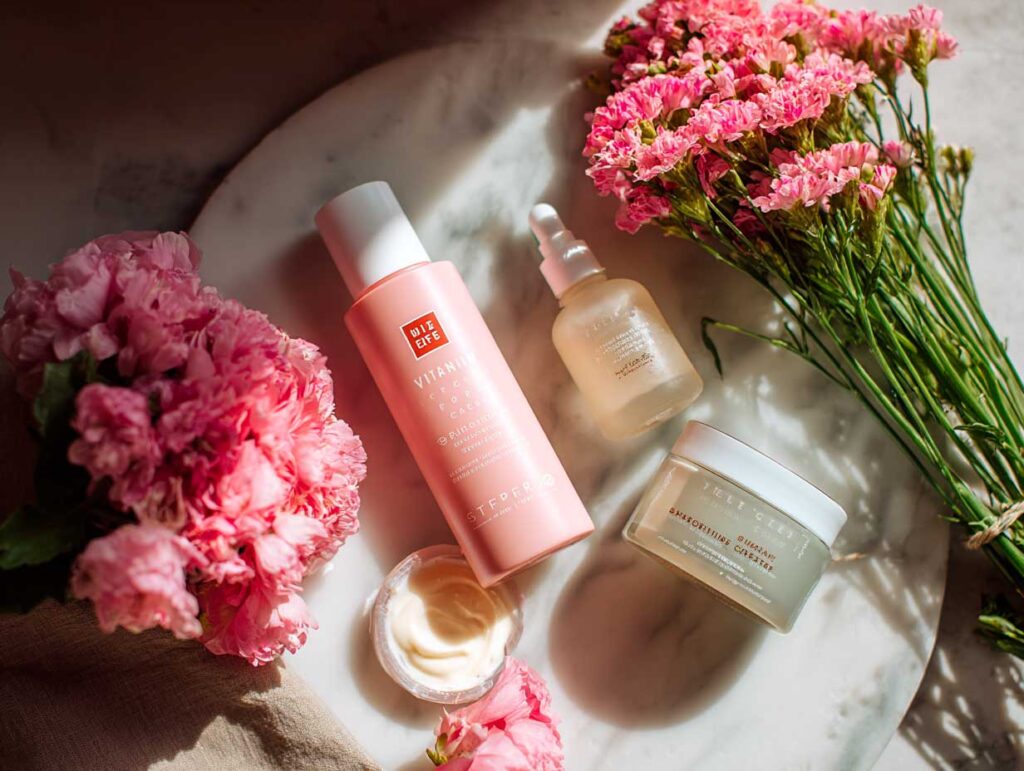
Why Spring Is the Reset Season
Spring is the transitional moment your skin has been waiting for. After months of cold air pulling moisture from your skin and indoor heating making things worse, your barrier function has been working overtime. The good news is that warmer temperatures and higher outdoor humidity levels give your skin a chance to breathe and recover. The less obvious news is that spring is also when a lot of people make the mistake of switching too fast. They jump straight from heavy creams to lightweight gels and wonder why their skin feels irritated or suddenly reactive.
The smarter approach is to treat spring as a gradual reset rather than a hard restart. Start by reassessing your cleanser. If you have been using a rich, oil-based cleanser through winter to protect your barrier, spring is the time to move toward something gentler and more balanced. A gel-based or mild foaming cleanser that removes residue without stripping natural oils is ideal as temperatures begin to rise. Your skin no longer needs the same level of protective cleansing it required in February, and over cleansing in spring can actually trigger excess oil production as your skin tries to compensate.
Exfoliation also deserves a fresh look in spring. Winter skin tends to accumulate a dull buildup of dead cells, and a gentle enzymatic exfoliant can help remove that layer without irritating a barrier that may still be recovering. Fruit enzyme masks are particularly effective at this time of year because they exfoliate through natural biological action rather than abrasion, making them ideal for skin that has been stressed by months of cold weather exposure. Frequency matters here, too. Once or twice a week is enough. More than that and you risk sensitizing skin just as it is trying to stabilize.
Hydration strategy is the third major shift worth making in spring. Heavy occlusive creams that were essential in winter can start to feel suffocating as the weather warms. Swapping to a lighter, hyaluronic acid-based moisturizer gives your skin the moisture it needs without the weight. Hyaluronic acid works by drawing water from the environment into the skin, which means it actually performs better in higher humidity conditions, making spring and early summer the ideal time to lean into it.
Antioxidants Become Your Best Tool
As UV intensity increases from March onward, antioxidant serums move from being a nice addition to a genuine necessity. UV radiation generates free radicals in the skin, and those free radicals accelerate collagen breakdown, trigger pigmentation changes, and compromise the skin barrier over time. Antioxidants neutralize free radicals before they can cause that cascade of damage. This is why layering an antioxidant serum under your SPF is one of the most effective protective strategies you can build into a spring and summer routine.
Vitamin C is the most well-researched antioxidant in topical skincare. It works on multiple levels simultaneously, brightening existing pigmentation, supporting collagen synthesis, and neutralizing oxidative stress from both UV and pollution exposure. The key is choosing a stable form that actually absorbs into skin rather than oxidizing before it gets the chance to work. Products that combine multiple forms of Vitamin C, such as sodium ascorbyl phosphate alongside ascorbic acid, tend to offer more reliable stability and absorption than single-source formulas. Applying it in the morning, before sunscreen, gives your skin that double layer of environmental protection throughout the day.
Niacinamide is another powerhouse antioxidant that earns its place in a spring-to-summer routine. It regulates sebum production, strengthens the barrier, and helps fade post-inflammatory hyperpigmentation, which tends to become more noticeable in brighter spring light. It is also one of the most well-tolerated active ingredients across all skin types, making it a safe choice for anyone whose skin is still in recovery mode from winter. What makes niacinamide especially useful during this transitional period is its ability to do multiple jobs at once without requiring you to add several different products to your routine.

Sunscreen Is Not Optional, It Is the Foundation
Here is something that surprises people: most of the visible skin aging associated with summer does not happen because of extreme sun exposure events. It accumulates through daily, incidental UV exposure that people do not even register as sun damage. Walking to the car, sitting near a window, spending thirty minutes outdoors at lunch. All of it adds up, and it adds up faster in spring and summer when UV index values climb sharply even on overcast days. Cloud cover blocks visible light but does very little to filter UV radiation, which means a grey spring day offers almost no protection compared to a sunny one.
Choosing the right sunscreen for warmer months is genuinely worth the effort. A broad-spectrum formula that protects against both UVA and UVB rays is the baseline requirement. For spring and early summer when skin may still be somewhat sensitized from winter, mineral sunscreens containing zinc oxide tend to be gentler on reactive skin than chemical filters. As summer progresses and oil production increases, moving toward a lighter, matte-finish formula helps prevent the heavy or greasy feeling that causes many people to under-apply. The amount matters as much as the formula. Most people apply about a quarter of the amount needed for full protection, so being generous is not optional.
Reapplication is the other half of the equation that most routines skip entirely. A single morning application of SPF 50 does not provide full-day protection. Sunscreen degrades with UV exposure, sweat, and sebum, meaning reapplication every two hours during outdoor activity is not an overstatement. For those who wear makeup, a setting spray with SPF or a powder sunscreen can make midday reapplication genuinely practical without disrupting coverage.
How Summer Changes Everything Again
Summer does not just continue where spring left off. It is its own distinct skincare challenge. Higher temperatures, increased sweating, longer hours of daylight, and for many people, exposure to chlorine from pools or salt from the ocean, all create conditions that are significantly more demanding on skin than spring. The routines that work beautifully in May can fall apart by July if they are not adjusted.
The most common summer skincare complaint is increased oiliness. This is a normal physiological response to heat. Sebaceous glands produce more oil as temperatures rise, and that oil mixes with sweat and sunscreen to create a film on the skin’s surface that can clog pores and contribute to breakouts. The instinct is to fight oil aggressively, but overcleansing or using overly drying products tends to backfire because it strips the barrier and signals the skin to produce even more oil in response. A better approach is to cleanse effectively twice daily using a gentle but thorough formula, and to use a lightweight niacinamide serum to help regulate sebum naturally rather than trying to eliminate it.
Hydration needs also shift in summer in a way that confuses a lot of people. Oily skin still needs hydration. Dehydration and oiliness are different conditions that can exist simultaneously, and summer heat actually increases transepidermal water loss even as oil production rises. This is why even people with oily summer skin benefit from a lightweight, water-based moisturizer. Skipping it entirely often leaves skin feeling tight and reactive beneath the surface despite looking shiny on top. A gel moisturizer or a serum-weight hyaluronic acid product gives the skin what it needs without adding any heaviness.
Protecting Your Barrier Through the Hottest Months
The skin barrier takes a genuine beating in summer. Chlorine strips lipids from the surface. Extended sun exposure depletes antioxidant reserves. Salt water is dehydrating. Air conditioning creates environments as dry as winter indoors. Protecting and repairing the barrier through the hottest months requires the same thoughtfulness that most people only apply to their winter routine.
Incorporating a lightweight facial oil or barrier-supporting serum into your evening routine during summer can make a noticeable difference. Oils rich in essential fatty acids, such as rosehip, hemp seed, and argan, help replenish the lipid components that heat and environmental exposure strip away. They also create a temporary occlusive layer overnight that locks in whatever hydrating serums you apply beneath them. The key is applying them after water-based products have fully absorbed so they can seal in that moisture rather than sitting on top of a dry surface.
Calming ingredients like chamomile, aloe vera, and centella asiatica are especially useful for soothing any heat-triggered redness or irritation. Summer sun exposure can produce subtle low-grade inflammation in the skin even when there is no visible sunburn and addressing that with targeted calming ingredients in your evening routine helps prevent that inflammation from accumulating over time and manifesting as accelerated aging or uneven tone.
The Brightening Window You Should Not Miss
Spring through early summer is the ideal period to address dark spots, uneven tone, and post-inflammatory hyperpigmentation before summer sun intensity peaks and makes those issues harder to treat. Brightening ingredients like azelaic acid, kojic acid, tranexamic acid, and niacinamide work best when they are given consistent time to act without being undermined by ongoing UV exposure, which means starting a brightening protocol in spring and protecting aggressively with SPF gives those ingredients the best chance of delivering visible results before the height of summer.
Vitamin C and antioxidant protection by day, a targeted brightening formula at night, and diligent SPF application in the morning creates a cycle that both treats existing discoloration and prevents new pigmentation from forming. The patience required for brightening is real, because most active ingredients need consistent daily use for eight to twelve weeks before changes become fully visible. But the combination of spring’s gentler UV environment and summer’s increased exposure risk makes this exactly the right time to put that system in place.
Keeping It Consistent When Life Gets Busy
Summer routines have a way of falling apart. Travel disrupts habits. Late nights and early mornings blur the edges of a consistent regimen. The heat makes applying multiple products feel like too much effort. The routines that survive summer are the ones that have been simplified down to their most essential elements: an effective cleanser, a reliable antioxidant serum, a lightweight moisturizer, and a broad-spectrum SPF in the morning, along with a gentle cleanser, a targeted treatment serum, and a barrier-supporting product at night. Everything else is optional.
The seasonal skin transitions from spring through summer do not require a complete overhaul every few weeks. They require paying attention, adjusting texture and weight as conditions change, and staying consistent with the core protective and restorative steps that serve your skin regardless of what month it is. Your skin tells you what it needs. The job is to listen closely enough to respond before small problems become bigger ones.
Related Posts