
Professional Skincare, Skincare
The Importance of Regular Skin Assessments and When to See a Professional
May
Your skin keeps records. It records sun exposure, stress, climate shifts, aging, irritation, product choices, and health changes before many people realize anything has changed. A freckle looks darker. A dry patch stays longer than expected. A once-reliable moisturizer stops feeling like enough. A breakout pattern shifts from occasional to persistent. These changes do not always signal danger, but they do deserve attention.
A regular skin assessment gives you a baseline. It helps you learn what is normal for your skin, which makes anything new easier to spot. It also helps you separate routine cosmetic concerns from changes best reviewed by a licensed professional. That distinction matters because some concerns call for an esthetician, while others belong with a dermatologist or medical provider. The goal is not worry. The goal is awareness, good records, and faster action when your skin sends a clear signal.
Skin assessments also make your routine more useful. Many people change products after one bad week, then blame the product, the weather, or their age without looking at the full pattern. A trained professional looks at texture, tone, oil flow, dryness, sensitivity, congestion, sun damage, habits, and product use together. That broader view prevents random product hopping. It also helps you build a routine around your actual skin, not the skin you had five years ago.
Why skin assessments matter more than most people think
A skin assessment starts with observation. At home, this means looking at your face, neck, chest, scalp, hands, arms, legs, back, feet, and nails in consistent light. In a spa or skin care clinic, it often includes a conversation about current products, sun habits, sensitivity, lifestyle, and goals. In a dermatology office, it can include a full-body skin exam, review of spots or lesions, and medical evaluation when needed. Each setting serves a different role, and the best approach often includes more than one.
At-home checks help you notice change early. Professional skin care assessments help refine your routine and improve visible concerns such as dullness, rough texture, congestion, dryness, uneven tone, and the look of fine lines. Dermatology exams help evaluate medical concerns, suspicious marks, growths, persistent irritation, and skin conditions outside cosmetic care. When people blur these roles, they lose time. An esthetician should not diagnose a suspicious mole, and a dermatologist visit should not be delayed because a new serum seems worth trying first.
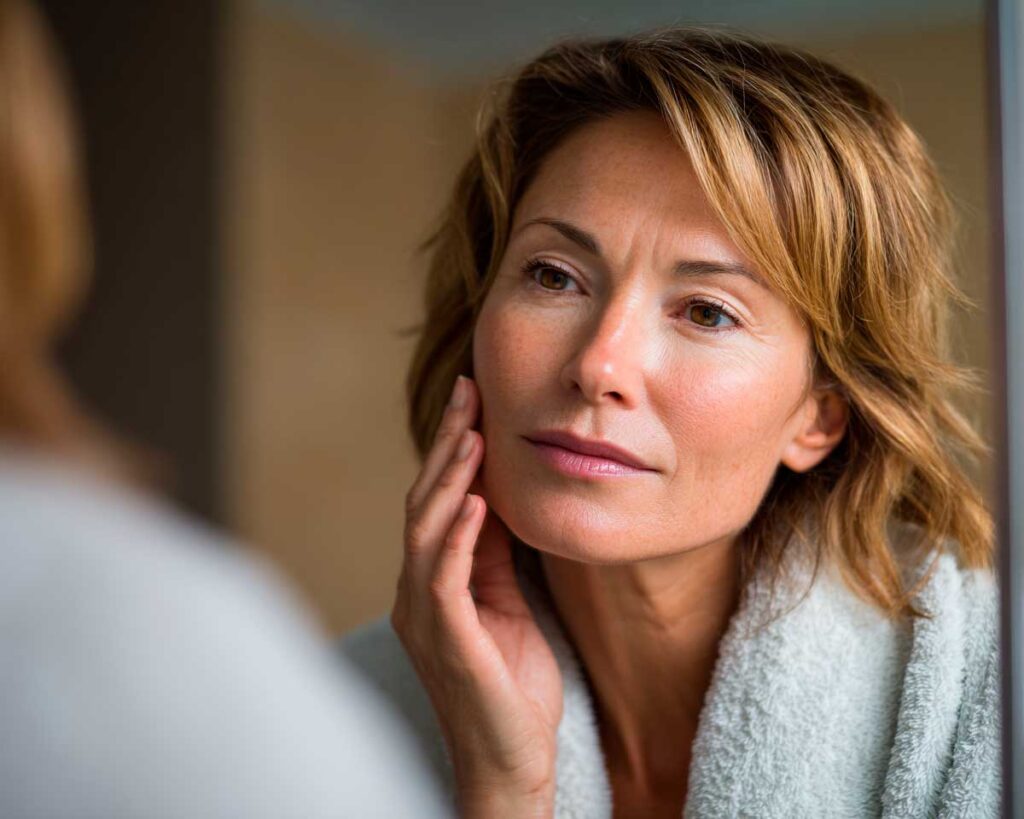
Regular assessment also creates accountability. When you take monthly photos or keep a few short notes, you stop relying on memory. Skin changes slowly, so memory often lies. A faint patch near the cheekbone, a mole near the shoulder, or a rough area along the hairline can change over months without drawing attention. Photos taken in similar light from similar angles help you compare what has changed and what has stayed the same.
Professionals rely on pattern recognition. They see skin every day. A good esthetician can often spot when a routine is too aggressive, when exfoliation has outpaced moisture support, or when barrier stress is making everything look worse. A dermatologist can assess warning signs, perform testing when appropriate, and decide whether a spot needs closer review. Neither replaces your own regular check. Your eyes see your skin more often than anyone else’s.
What a regular skin assessment should include
A useful assessment looks beyond the face. The face gets the most attention because it is what we present to the world, but the neck, chest, shoulders, scalp, ears, hands, forearms, and lower legs often show change first. These areas collect sun exposure during daily life. They also reveal dryness, irritation, redness, rough patches, and texture shifts before a person connects the dots. A careful check includes both cosmetic changes and anything unusual.
Texture matters. Healthy-looking skin can still feel rough, tight, bumpy, or unusually tender. A professional can help identify whether roughness comes from dryness, buildup, irritation, sun exposure, congestion, or an overactive routine. The answer changes the plan. More exfoliation is not always the fix. Sometimes skin needs less stimulation, better cleansing, more consistent hydration, and a slower approach to actives.
Tone deserves the same attention. Uneven tone can come from sun exposure, post-breakout marks, dryness, visible redness, or natural pigmentation patterns. Some discoloration is cosmetic, while some changes deserve medical review. A new dark spot, a changing spot, or any mark with irregular features should not be treated as a simple brightening concern until a qualified medical professional has evaluated it. Skin care products can improve the appearance of uneven tone, but they do not replace medical judgment.
Sensitivity also belongs in the assessment. If products sting more than they used to, your skin is giving useful feedback. The issue could be over-exfoliation, seasonal dryness, too many actives, fragrance sensitivity, barrier stress, or a skin condition. Many people respond by adding more products, which often makes the cycle worse. A professional assessment can simplify the routine and help identify what to pause, what to keep, and what to reintroduce slowly.

When an esthetician is the right professional
An esthetician can help when your main concerns are cosmetic, routine-based, or treatment-focused. Dullness, rough texture, clogged pores, dryness, visible dehydration, uneven-looking tone, and signs of a stressed barrier all fit well within a professional skin care assessment. A skilled esthetician also helps you set priorities. You might want smoother texture, brighter-looking skin, fewer clogged pores, and softer lines, but your skin might need barrier repair before active treatments make sense.
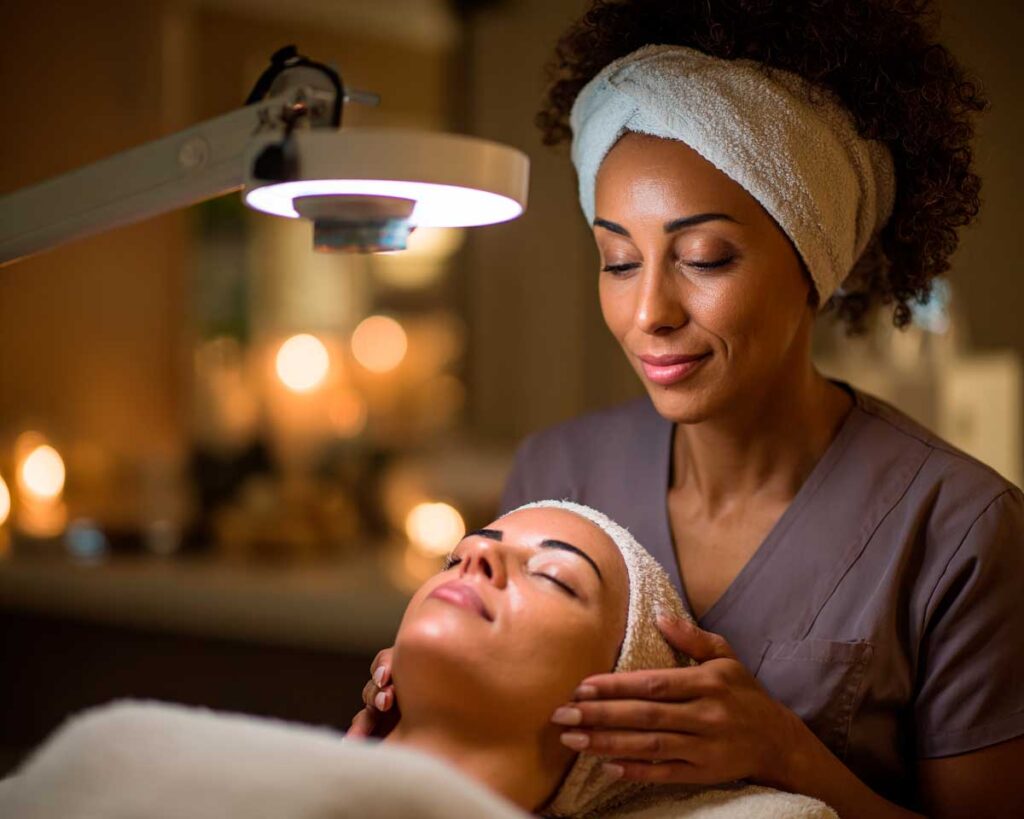
Professional facials also offer feedback you cannot get from a product label. An esthetician can feel texture, see patterns in congestion, notice areas of dehydration, and adjust the treatment based on how your skin responds in real time. This hands-on view is especially helpful when your skin feels confusing. For example, skin can look oily but still lack water. It can feel tight after cleansing but still break out. It can tolerate one active well, then react when several actives stack together.
A good esthetician also asks questions. What cleanser do you use? How often do you exfoliate? Do you use sunscreen daily? Did you start anything new? Do you feel stinging, tightness, heat, or itching? How often do you pick at blemishes? These questions matter because skin care results depend on habits as much as formulas. Without context, even a good product can be used in the wrong rhythm.
Estheticians also know when to refer out. This is one of the most important signs of professionalism. A trained esthetician should refer you to a dermatologist for suspicious lesions, sudden changes, persistent rashes, unexplained bleeding, severe irritation, infections, or concerns outside cosmetic care. That referral is not a failure of the service. It protects the client and respects the limits of non-medical skin care.

When a dermatologist or medical provider is the right choice
A dermatologist is the right professional when a concern looks medical, persistent, unusual, or potentially serious. New spots, changing moles, non-healing sores, bleeding, crusting, sudden growths, pain, intense itching, or a mark that looks different from everything around it deserve a medical review. The same applies when a rash spreads, returns often, or fails to improve with simple care. A cosmetic routine should not become a waiting room for a medical concern.
Moles and pigmented spots require special attention. A new spot in adulthood, a mole that changes in color, shape, size, border, or behavior, or a spot that stands apart from the rest should be checked. It does not mean panic. It means book the appointment. Medical professionals have tools and training for this kind of review. Waiting for a suspicious spot to “settle down” can cost time.
A dermatologist can also help when breakouts, redness, irritation, or scaling affect your quality of life. Many people treat persistent problems as beauty concerns for too long. They buy stronger products, scrub harder, or layer several actives, then wonder why skin looks angrier. Medical evaluation can identify whether the issue needs prescription care, testing, or a different plan. Once the medical side is addressed, cosmetic skin care often works better too.
Full-body skin exams matter for people with higher risk factors. A personal history of skin cancer, family history of melanoma, many moles, atypical moles, fair skin, heavy sun exposure, indoor tanning history, frequent burns, or immune suppression can change how often a professional exam makes sense. Your dermatologist can set the right schedule. For many people, an annual exam plus monthly self-checks is a practical rhythm.
How often should you check your skin
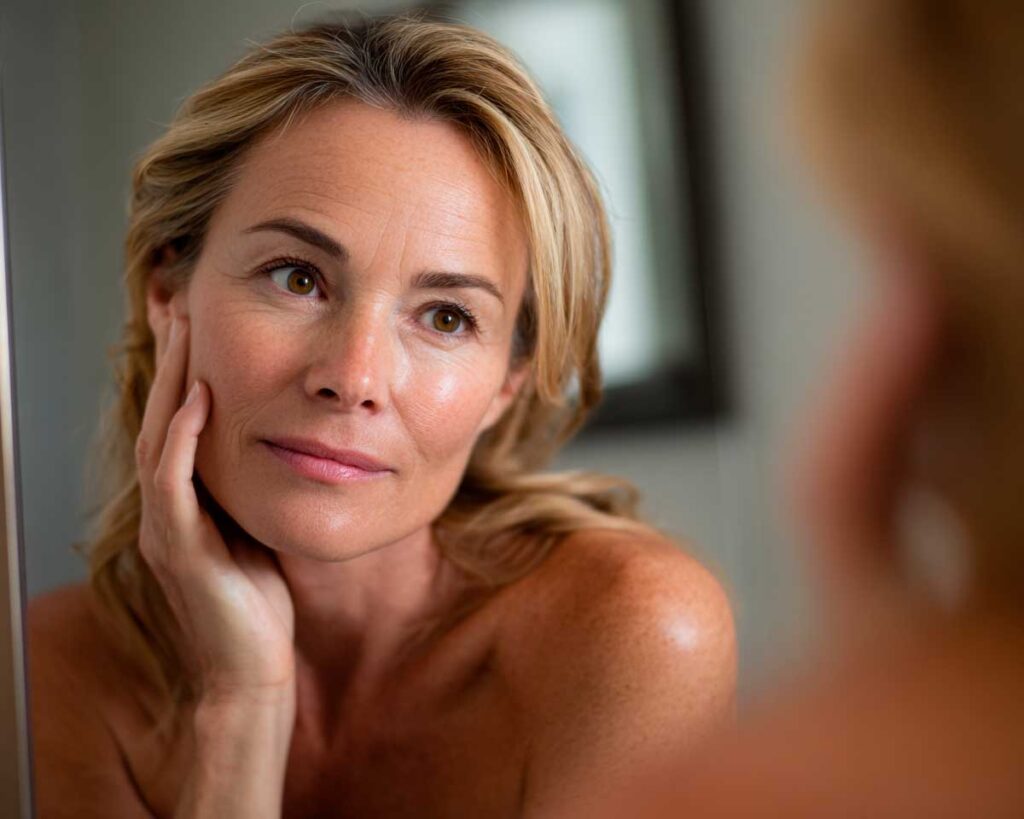
A monthly at-home skin check works well for most adults. Choose a consistent time, such as the first weekend of each month, after a shower, in good lighting. Use a hand mirror or ask someone to help with the back, scalp, and backs of the legs. Take photos of spots you want to monitor, but do not rely on photos alone when something looks suspicious. A photo helps you explain a change, but it does not replace a professional exam.
For professional cosmetic assessments, many people benefit from a seasonal visit. Skin often changes with weather, humidity, sun exposure, travel, stress, and age. A routine that works in January can feel wrong in July. Seasonal assessment helps adjust cleanser texture, exfoliation frequency, hydration support, antioxidant use, and recovery steps. It also helps prevent overcorrection, which causes many routine problems.
For dermatology care, frequency depends on personal risk. Some people need annual full-body exams. Others need more frequent follow-ups based on personal history, mole patterns, or prior findings. Your provider should guide the schedule. The key point is simple: visible change should move faster than any calendar. If a spot changes now, do not wait until your next planned visit.
Skin care professionals can also help set a personal schedule. Someone using retinoids, acids, peels, brightening products, or professional exfoliation benefits from closer monitoring. Active products can work well, but they also increase the need for balance. Regular review helps you avoid redness, peeling, stinging, and the dull, tight look that comes from doing too much. The best routine is not the most aggressive one. It is the one your skin can use consistently.
What to look for during a self-assessment
Look for new, changing, or unusual marks first. A spot that changes size, shape, color, surface, sensation, or border deserves attention. A sore that does not heal should be checked. A mole that bleeds, crusts, itches, hurts, or looks different from nearby spots should be checked. These signs do not automatically point to a serious problem, but they do justify professional review.
Then look at the overall condition of your skin. Does your skin feel tighter than usual after cleansing? Do cheeks flush faster? Does makeup catch on dry patches? Are pores more congested in one area? Are breakouts appearing in a new pattern? These observations help an esthetician adjust your routine and identify triggers such as over-cleansing, skipped moisturizer, heavy occlusive use, or too much exfoliation.
Pay attention to the neck and chest. Many people treat the face carefully and ignore the skin below the jaw. The neck and chest often show dehydration, sun exposure, crepey texture, redness, and uneven tone. A professional assessment can help bring those areas into the routine without creating irritation. Gentle cleansing, consistent moisture, antioxidant support, and daily sunscreen often matter more than harsh treatments.
Check the body too. The backs of arms, shoulders, calves, feet, and hands all count. People often miss spots because they assume skin checks only concern the face. They do not. A full self-assessment includes soles, between toes, under nails, ears, hairline, scalp, and any area exposed to sun or friction. This process gets faster once it becomes familiar.
How product routines fit into the assessment
Your home routine should support the skin, not hide signals from it. A simple record of what you use helps a professional identify patterns. Write down cleanser, toner, serum, moisturizer, exfoliant, sunscreen, masks, and any prescription products. Include frequency. A product used twice a month has a different impact than the same product used twice a day.
Cleansing is often the first place to check. Skin that feels tight, squeaky, or hot after washing often needs a gentler approach. Skin that still feels coated or congested after cleansing might need a better match for oil, sunscreen, makeup, or climate. In Aesthetics Unique’s professional reference materials, cleansing options range from gentle cleansing milk to glycolic acid cleansing and toning products, which shows why assessment matters before choosing a category. Different skin needs call for different product choices, even inside the same routine step.
Exfoliation also needs assessment. Roughness can tempt people into daily acids, scrubs, peels, and masks. But roughness can also come from dehydration or barrier stress. More exfoliation can make that worse. A professional can help decide whether skin needs a mild enzyme approach, a leave-on acid, less frequent exfoliation, or a pause from active treatments altogether. The right answer depends on how the skin looks and feels now.
Hydration and barrier support deserve equal attention. Skin that looks dull, creased, or uneven can often improve when hydration and moisture balance improve. Hyaluronic acid, glycerin, aloe, emollient oils, ceramides, and soothing ingredients all play different roles. Assessment helps place them in the right order and rhythm. Without assessment, people often chase “anti-aging” results while overlooking the dryness making lines look more pronounced.
Why change over time is the key
A single snapshot tells part of the story. Change tells the better story. This is why monthly checks, seasonal professional reviews, and dermatologist exams work together. One spot, one dry patch, or one rough area has context only when compared with what came before. When you know your baseline, change stands out.
Aging also changes what skin needs. Oil production often shifts. Barrier recovery can slow. Sun damage can become more visible. Old breakout marks can linger longer. Neck and chest texture can become more noticeable. Regular assessment helps your routine evolve without turning skin care into guesswork.
Life changes matter too. New medication, stress, hormonal shifts, travel, diet changes, menopause, pregnancy, new workouts, climate changes, and workplace exposure can show up on skin. A professional assessment connects these shifts to visible signs. This matters because skin care advice without context often fails. The same cleanser, serum, or exfoliant can behave differently when the skin’s environment changes.
Consistency also reveals whether products are doing their job. If you start a brightening serum, retinoid, acid, or antioxidant product, you need enough time and a clear baseline to judge results. Otherwise, every mirror check turns into emotional feedback. Photos, notes, and professional review make the process calmer and more accurate. You can see whether tone looks more even, texture feels smoother, or dryness has improved.
What happens during a professional skin assessment
A professional skin assessment usually begins with intake. The professional asks about your routine, goals, allergies, sensitivities, medications, recent treatments, sun habits, and current concerns. Honest answers help. This is not a test. It is a way to protect your skin from the wrong treatment at the wrong time.
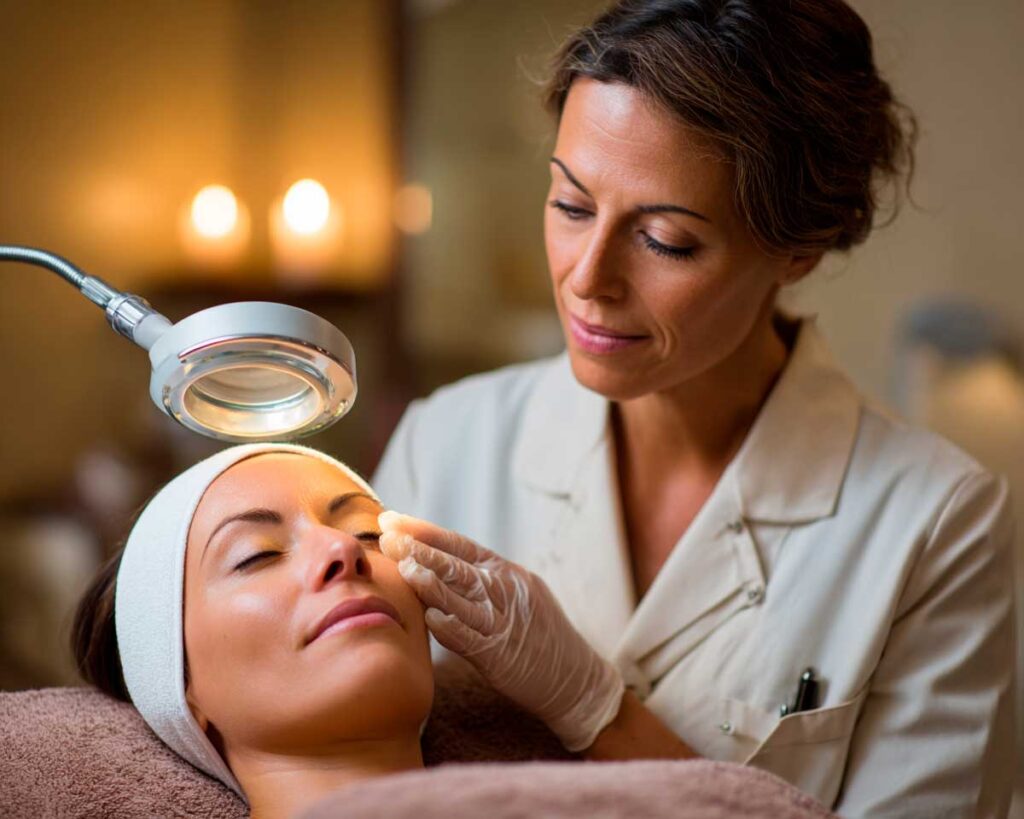
The visual assessment follows. The professional looks at tone, texture, oil distribution, pore congestion, dryness, redness, elasticity, sensitivity, and visible damage. Some use magnification or skin analysis tools. Others rely on strong lighting and hands-on review. The best assessments combine observation with conversation because skin behavior matters as much as appearance.
From there, the plan should feel practical. It should not demand a dozen new products at once. It should identify priorities, explain what to stop, what to keep, and what to add. It should also tell you what results to expect and when to reassess. A plan that respects your budget, schedule, and tolerance has a better chance of working.
A strong professional also documents findings. Notes, photos, product lists, and treatment records help track progress. They also prevent repeated mistakes. If your skin reacted poorly to a certain type of exfoliation or improved with a slower routine, that information has value. Assessment is not a one-time event. It is a record of how your skin responds.
Common questions people ask about skin assessments
Many people ask whether a skin assessment is only necessary when something looks wrong. It is not. The best time to assess skin is before a problem feels urgent. Baseline checks make later changes easier to identify. They also help improve routine decisions before irritation, breakouts, or dryness become entrenched.
People also ask whether an esthetician can spot skin cancer. An esthetician can notice suspicious or unusual-looking changes and recommend medical evaluation, but diagnosis belongs to a medical professional. This distinction matters. A referral from an esthetician can be helpful, but it should lead to a dermatologist or qualified provider. Cosmetic services should never replace medical review.
Another common question concerns cost. A monthly self-check costs nothing. A professional facial or assessment varies by provider, but it can save money by reducing random product purchases. Dermatology exams depend on insurance, location, and provider type, but suspicious changes deserve prompt attention. When cost is a barrier, look for community screening programs, insurance-covered visits, or local dermatology resources.
People also ask what to bring to an appointment. Bring a full product list, photos of changes, dates when changes started, and notes on symptoms such as itching, bleeding, burning, or tenderness. For cosmetic visits, bring your current routine and explain what you like or dislike about it. For medical visits, be clear and direct about the concern. A good record makes the appointment more useful.
The habit that protects your skin over time
Regular skin assessments turn skin care from reaction into strategy. They help you catch visible change, improve routine decisions, and know when professional help matters. They also reduce the common cycle of doing too much, stopping everything, then starting over without a plan. When you check your skin consistently, you learn its patterns. When you involve the right professional, you get better direction.
The most practical rhythm is simple. Check your skin monthly at home. See an esthetician or licensed skin care professional when your routine stops making sense, when cosmetic concerns persist, or when you want treatment guidance. See a dermatologist or medical provider for suspicious spots, changing moles, non-healing sores, bleeding, pain, sudden growths, or persistent irritation. Do not make your bathroom mirror carry the full burden of judgment.
Your skin does not need constant correction. It needs attention, respect, and timely expertise. A regular assessment gives you all three. It helps you protect your health while improving the way your skin looks and feels. And it keeps your routine grounded in real observation, not trends, fear, or guesswork.
References
- The CDC states that skin cancer is the most common cancer in the United States, and its melanoma statistics page notes that basal cell and squamous cell carcinomas are not usually collected by central cancer registries. (CDC)
- The Skin Cancer Foundation recommends a monthly head-to-toe self-exam and at least one annual dermatologist full-body skin exam. (The Skin Cancer Foundation)
- The American Cancer Society identifies a new spot or a spot changing in size, shape, or color as an important warning sign, along with the “ugly duckling” sign. (American Cancer Society)
- Cleveland Clinic guidance notes that people should contact a provider for a changing mole, a sore that does not heal, or a mole that itches or bleeds. (Cleveland Clinic)
Related Posts