

Estheticians, Professional Skincare, Skincare
How Do You Get the Most Out of a Sheet Mask in a Facial
Nov
You know the moment. The sheet goes on, the client lets out a long breath, and the room goes quiet. For a lot of estheticians that’s also the moment the service slips into autopilot. We step out to check the next booking, wipe down the steamer or answer a text, and the mask does its thing while we’re gone. But the sheet mask stage is one of the few parts of a facial where the skin is prepped, the client is relaxed and you have a stretch of uninterrupted time. How you set it up, how long you leave it and what you do while it sits decide whether it’s the best part of the service or just a pause in the middle of it.
We’ll use our Collagen Fibre Sheets as the example, because they behave differently from the pre-soaked sheets most clients know from the drugstore. They’re dry, velvet-like sheets of native collagen fibres saturated in soluble collagen and then freeze-dried, so they arrive light and stiff and only come to life when you add liquid. That changes the order of steps and gives you more control over what goes underneath. Most of what follows applies to any sheet mask you use in the room. The collagen sheets just make each choice more obvious, because nothing happens until you make it happen.
What does a sheet mask do to the skin during a facial?
A sheet mask works by temporary occlusion. The sheet sits against the skin, slows evaporation and creates a warm, humid layer, which raises the water content of the stratum corneum and lowers transepidermal water loss (TEWL, the water that escapes out through the skin). A 2026 Dermatology Times review laid out that mechanism and noted it may also help water-soluble ingredients in the mask serum move into the surface layers. That’s the whole trick, and it’s worth being plain about it with clients. The sheet holds things in place and keeps them wet long enough to matter. What you put on the skin first, and what’s in the sheet itself, decides what it holds in.
That’s especially true of collagen. Native collagen is a very large molecule, close to 300,000 daltons, and the widely cited 500 Dalton rule holds that molecules much bigger than 500 daltons don’t pass through the stratum corneum. A 1988 study in the Journal of the Society of Cosmetic Chemists tested labeled native collagen on skin and found the collagen itself didn’t penetrate. So we won’t tell you a collagen sheet adds collagen to the dermis, and you shouldn’t tell clients that either. What collagen does well is hold water against the skin surface, which is why these sheets plump the skin with moisture and soften the look of fine lines for the rest of the day. That’s an honest, visible result, and it’s plenty to build a service around.
What should you put under a sheet mask?
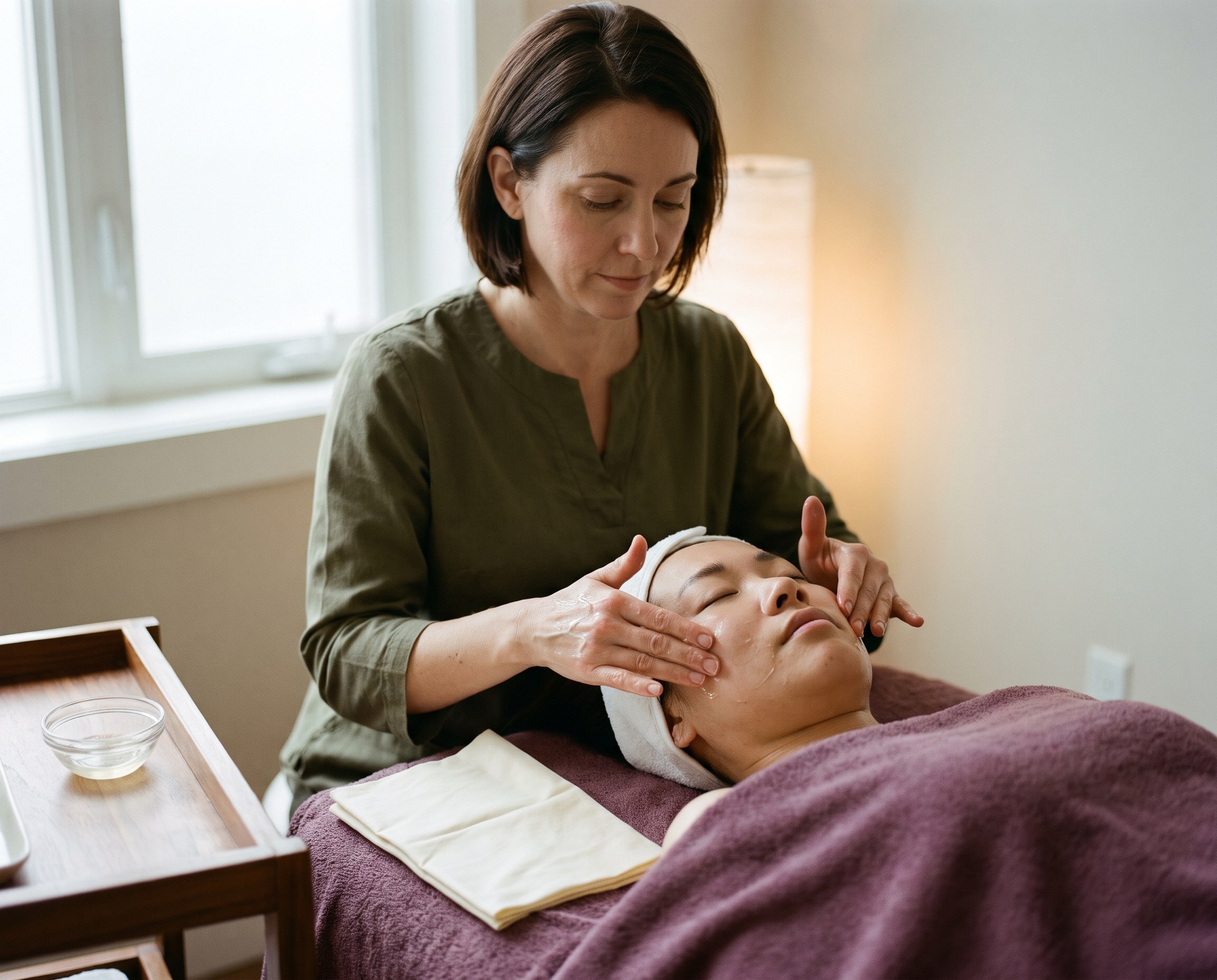
Think of the layer underneath as the part of the treatment that does the work and the sheet as the lid. Water-based humectant serums are the best fit, because occlusion keeps them wet and in contact with the skin far longer than they’d last in open air. Hyaluronic acid is the obvious choice, and our Hydra Moist Hyaluronic Acid Serum is made for skin that needs to hold on to more moisture. Peptide serums and gentle water-based antioxidant serums work here too. Apply a thin, even layer, press it in, and move to the sheet while the skin is still damp. Damp skin helps a dry collagen sheet grip and hydrate evenly instead of lifting at the edges.
What you leave out matters just as much. The same occlusion that helps a hydrating serum also pushes irritants harder, and Dermatology Times named fragrance, essential oils, alcohol and strong acids as the ingredients most likely to cause trouble under a sheet. So don’t put a retinoid or a leave-on acid under the mask, and if you’ve done a peel, make sure it’s neutralized or fully removed before the sheet goes on. We’d also keep facial oils and rich creams for later. Oil sits between the skin and the sheet, keeps the collagen from wetting evenly, and can trap sebum on clients who already run oily. Save the heavier layer for the end of the facial, after the sheet comes off.
How do you apply and activate a collagen sheet?
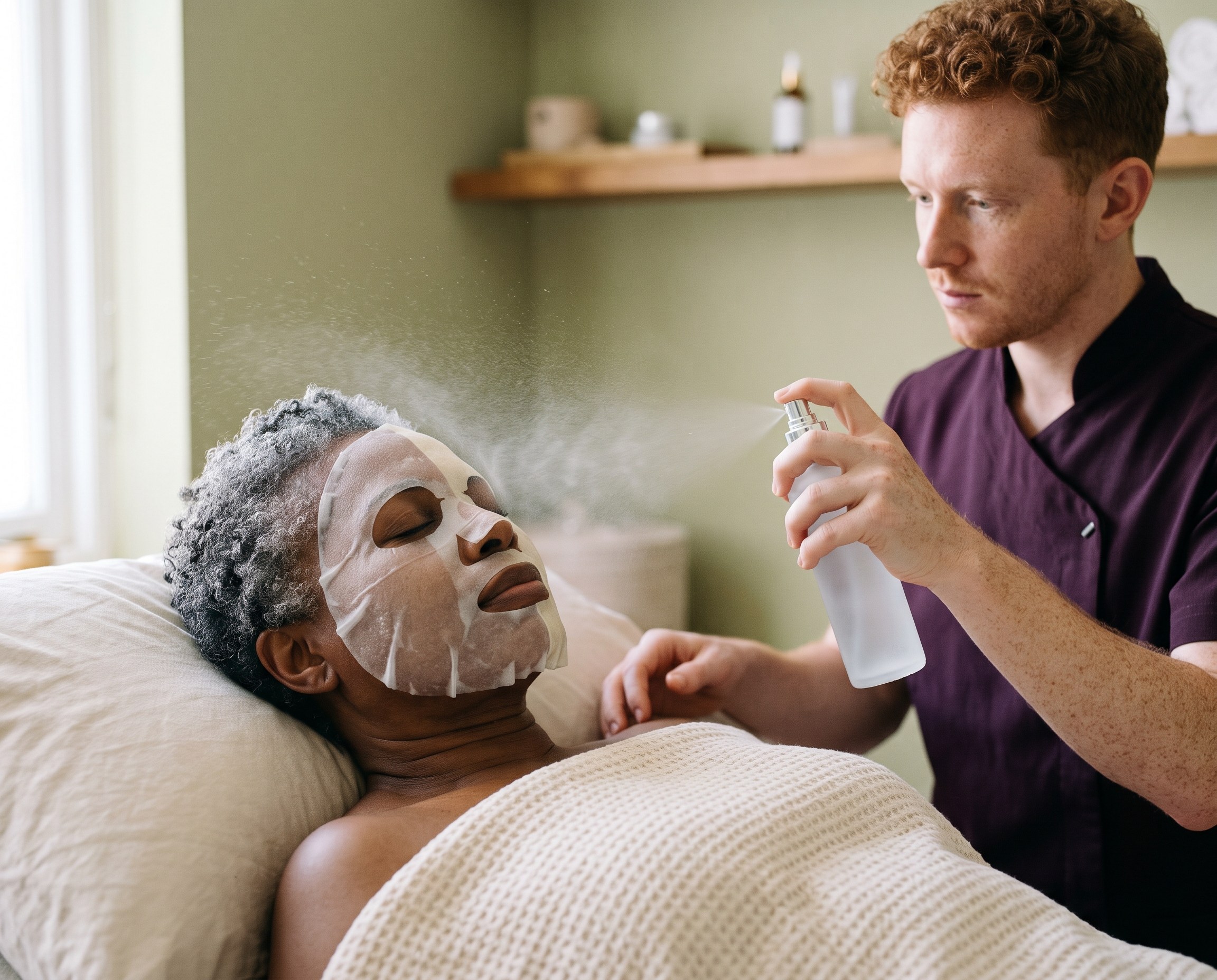
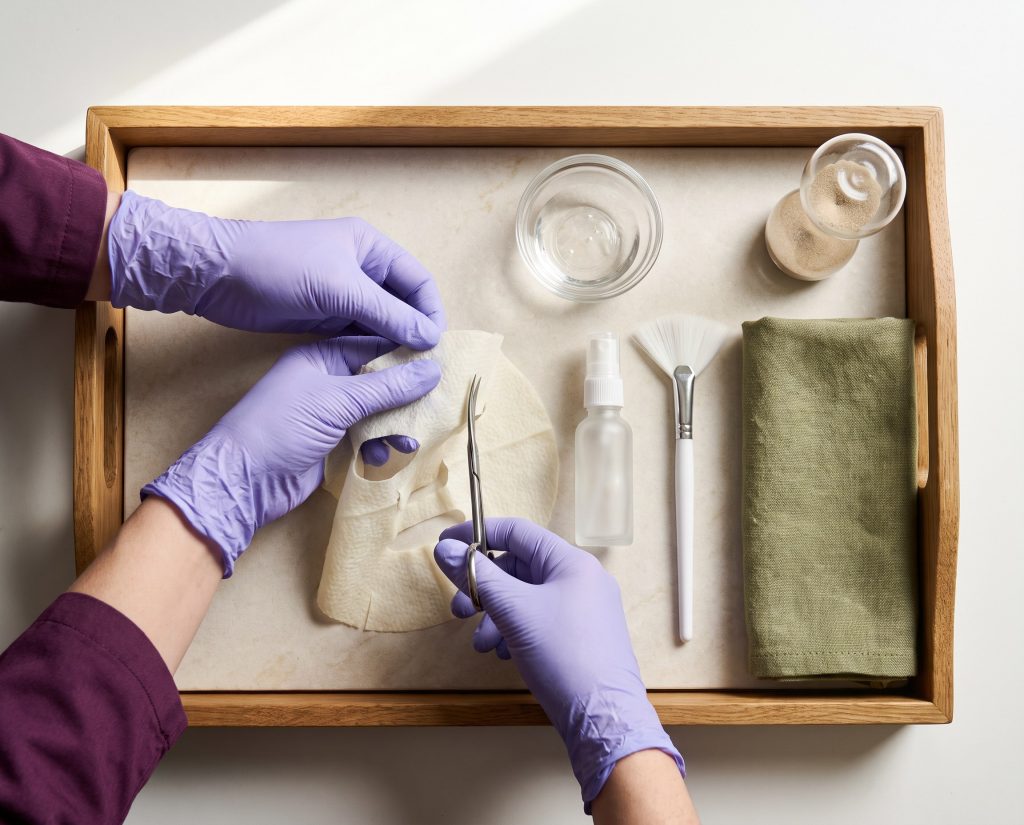
Because the sheets are dry, you lay them on first and wet them in place. Start with the client cleansed, exfoliated if the service calls for it, and the serum pressed in. Position the sheet over the face, line up the openings for the eyes, nose and mouth, and trim it with clean scissors if the fit is off on a smaller or longer face. Then saturate it with a fine mist of distilled water, a gentle toner or our Rosewater Facial Spray, a light rose-extract freshener, or press the liquid on with a damp fan brush or gauze. Watch the sheet change from white and opaque to soft and translucent, and smooth out any air pockets from the center toward the edges so it’s in full contact.
A few small details make a real difference here. Work carefully around the eyes, and for clients with sensitive eyes, a damp cotton pad over each lid keeps liquid out. Don’t soak the sheet so heavily that it drips into the ears and hairline, because a cold trickle down the neck undoes the calm you just built. Check the sides of the nose and the jawline, since those are the spots that lift first. If the client wears contact lenses, have her take them out before you start. And once the sheet is down, note the time on the chart so you aren’t guessing twenty minutes later.
How long should a sheet mask stay on?
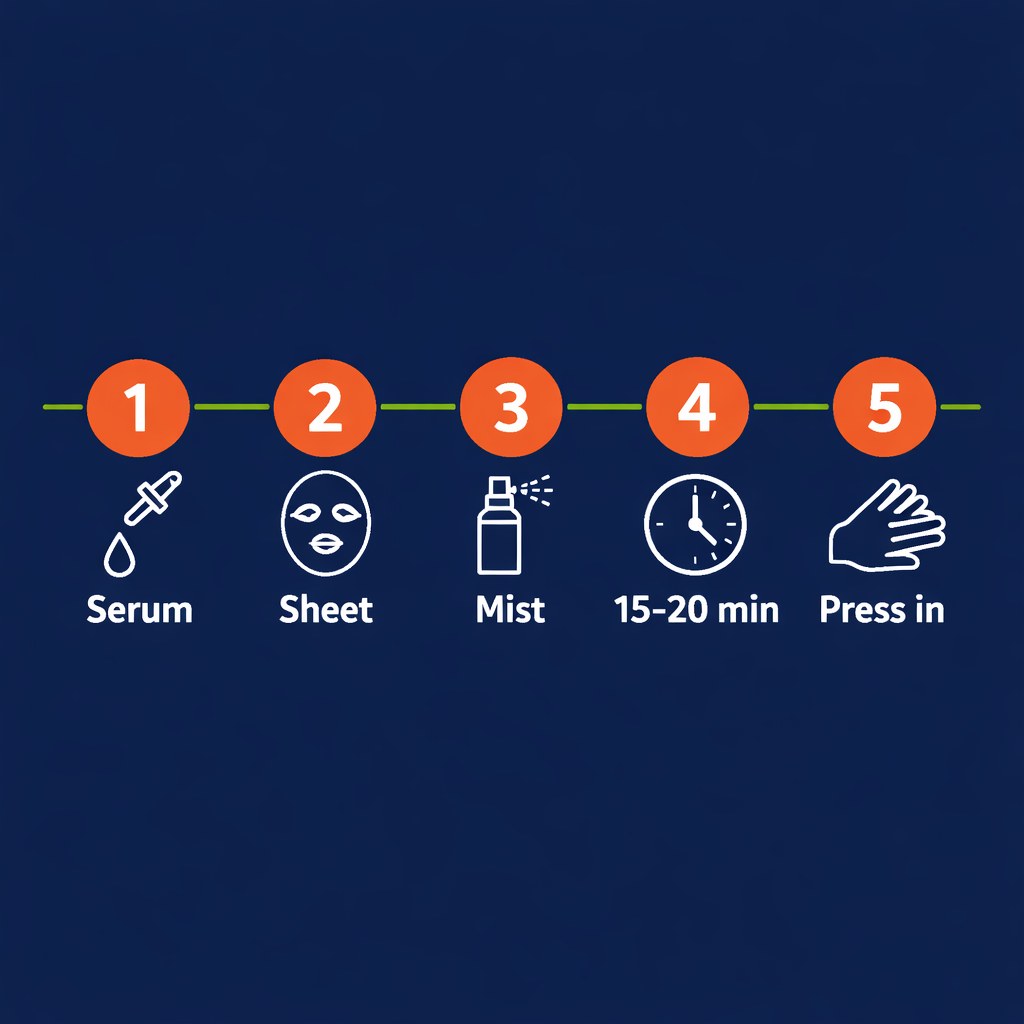
Fifteen to twenty minutes, and we’d treat twenty-five as a hard stop. A 2024 study in the Journal of Tissue Viability compared sheet masks worn for 5, 15, 25 and 40 minutes. Hydration climbed at first and then fell off, and wear under 25 minutes improved hydration and reduced redness, while longer wear brought more dryness and redness, especially with plain water masks. Sebum rose with every mask type, most of all at the 40-minute mark. Dermatology Times made a similar point, noting that normal stratum corneum water content sits around 10 to 30 percent and that pushing it above about 35 percent starts to weaken the barrier. There’s a ceiling, and leaving a mask on longer doesn’t buy you more.
The second rule is that the sheet should never dry out on the face. Once the liquid evaporates, a dry sheet stops helping and starts pulling moisture back off the surface. With collagen sheets, check the edges at the halfway point and mist again if they’ve gone pale or stiff. For oily or breakout-prone clients, stay closer to fifteen minutes, since warm, wet occlusion can hold oil against the skin. Drier, more mature skin usually does well at the full twenty. If a client mentions heat or tingling that keeps building, take the sheet off and calm the skin instead of finishing the clock.
What should you do while the mask is on?

Stay in the room. This is the stretch of the service that clients remember, and it’s the easiest place to give them something extra without adding time to the booking. A slow hand and arm massage with a little lotion fits well, and so does scalp work or a few minutes on the shoulders and upper back if the client’s position allows it. Leftover serum from the bowl can go on the neck and décolleté, which usually get less attention than the face. Leaving a client alone with her face covered can feel like being parked, and you also lose the chance to watch the sheet. If you need to step out for any reason, tell her how long you’ll be and come back on time.
The quiet minutes are also good for a short, relaxed conversation, if the client wants one. Some clients want silence, and that’s fine. Others are glad to talk, and a couple of simple questions about what she uses at night or how her skin has felt since the weather turned gives you what you need for a home-care recommendation, without a pitch at the end. Ask things that take a short answer, because talking under a wet sheet is awkward. Use the rest of the time to chart what went under the mask and what you saw on the skin. The next facial then starts where this one ended.
How should you remove the mask and finish the facial?

Lift the sheet slowly from the edges toward the center, so you don’t tug on skin that’s soft and fully hydrated. Don’t rinse. Press the remaining liquid into the face, then sweep what’s left down the neck. This is where the richer products you held back come in, because a moisturizer now seals in the water the sheet put there. Finish with eye care and, for daytime appointments, sunscreen. The skin should look plumper and feel smooth to the touch, and clients usually notice it right away.
When should you skip the collagen sheet?
Most clients are good candidates, but a few deserve a pause. Ask about allergies to collagen or other animal-derived ingredients at intake, and skip the sheet if there’s any doubt. [Bill: confirm the collagen source so staff can answer clients who ask.] Don’t place a sheet over broken skin, open lesions, active infection or a fresh sunburn, and shorten or skip it on skin with heavy inflammatory breakouts, where trapped heat and oil won’t help. Persistent redness that looks like rosacea, weeping or cracked patches that look like eczema, or anything that looks medical is a referral to a dermatologist, not something to work around with a different mask. If a client has had a procedure from a physician, follow that provider’s aftercare guidance, and check your state board for what falls inside your scope of practice.
FAQs
Can I reuse a collagen sheet on the same client?
No. Once a sheet has been on the skin, it holds oil, product and whatever else was on the face, so it’s single use. Throw it out when it comes off. If a client is tempted to save one at home, steer her toward a fresh sheet instead.
Should clients use collagen sheets at home?
They can, and they’re a good fit before an event or after a flight. Show the client the steps in the room so she knows to apply a serum first, wet the sheet fully and take it off within twenty minutes. The American Academy of Dermatology notes that a facial mask isn’t a replacement for a skin care routine, and that’s the right way to position it. It’s an add-on to a routine that already works.
Can a sheet mask go on right after extractions?
Often, yes, and the cool, hydrating layer is welcome on flushed skin. Keep hygiene tight, and don’t place the sheet over any spot that’s open or bleeding. If you’ve used a drying or antibacterial product on extraction sites, let it settle first or apply it after the sheet comes off.
How often can a client have a sheet mask?
In the treatment room, every visit is fine as long as the timing stays under control. At home, most clients do well with one or two a week. If skin starts to feel tight, oily or reactive afterward, cut back and check what’s going under the sheet.
The sheet mask is easy to treat as downtime, but it’s one of the few points in a facial where you control the skin, the clock and the client’s attention all at once. Put a hydrating serum underneath, wet the sheet fully, keep it on for fifteen to twenty minutes, and spend that time with your hands on the client instead of on your phone. Those choices cost nothing and change how the whole service feels. Clients may not know why this facial felt different, but they’ll book the next one. If you’d like to bring our Collagen Fibre Sheets into your treatment room, you can open a professional account with us.
References
- Dermatology Times – Social Media Mythbusters: Overnight Sheet Masks
- Journal of Tissue Viability – Short-Term Skin Reactions Following Different Ways of Facial Sheet Mask Usage
- Experimental Dermatology – The 500 Dalton Rule for the Skin Penetration of Chemical Compounds and Drugs
- Journal of the Society of Cosmetic Chemists – Penetration of Native Collagen Through Skin In Vitro
- American Academy of Dermatology – Facial Masks and Skin Care
Related Posts
 The Benefits of Using Collagen Sheet Masks
 Why Bother with Professional Facials? The Benefits of Regular Treatments
 Why Spa Owners Are Tired of Juggling Systems – and How You Can Stop the Chaos
 HydraFacials – The Treatment That Gives Without Taking Away
 The Untapped Opportunity: Why Lash Care is the Next Frontier for Salons and Spas Serving Mature Women
 The Benefits of Essential Fatty Acids (EFAs) for Your Skin
 How Should Estheticians Adjust Facials for Winter Versus Summer
 Spa Treatment Rooms Going Bespoke: The Future of Personalized Skincare
 The Rise of Fast Facials: A Comprehensive Guide to Achieving Healthy Skin in a Time-Sensitive World
 How Do Oxygen Facials Benefit Your Skin?
 How To Explain Exfoliation To A First-Time Client
 Unlocking the Secrets to Celebrity Perfect Skin
